





Overexercising a dog doesn’t always look dramatic. It often starts with subtle shifts in enthusiasm, gait, or recovery time – changes that are easy to miss until they turn into injuries, heatstroke, or chronic joint problems. The good news: if you know what to watch for and you track your dog’s activity, you can usually catch trouble early, long before it becomes pain.
This article breaks down the key signs of overexercising a dog, explains how much exercise is too much for dogs at different life stages, and shows how Qpaws (with seamless Strava and Garmin integration) helps you see problems before your dog’s body does.
What Are the Physical Signs of Overexercising?
Physical dog overexercise symptoms often show up during or soon after activity. Pay close attention if you notice:
Excessive Panting and Slow Recovery
Panting during exercise is normal; panting that stays heavy long after you stop is not. Dogs who are pushed too hard may pant intensely for 10–20 minutes or more, struggle to calm down, or breathe with an open mouth and wide tongue while only walking slowly.
If your dog’s breathing and overall demeanor haven’t returned to normal within about 10–15 minutes after a regular walk or run, that session was likely too much for them.
Limping, Stiffness, and Sore Muscles
Key physical signs of exercise-induced injuries include:
limping or favoring one leg;
stiffness when getting up after rest;
reluctance to jump on furniture or into the car;
flinching or discomfort when certain muscles or joints are touched.
These may indicate muscle strain, sprains, joint stress, or early arthritis flare-ups.
Sore or Damaged Paw Pads
Hard or hot surfaces can leave paw pads:
red, abraded, or blistered
cracked or bleeding
tender enough that the dog refuses to walk
Dogs will often keep going until pads are badly worn, especially high-drive breeds that “work through” discomfort.
Severe Overexertion: When Symptoms Become an Emergency
Some overworked dog symptoms are immediately dangerous and need urgent veterinary care.
Heat Exhaustion and Heatstroke
Overexercising in warm or humid weather can lead to heat exhaustion and then heatstroke, a life-threatening emergency. Typical signs include:
extreme, noisy, or distressed panting;
bright red, pale, or blue-tinged gums;
drooling, vomiting, or diarrhea (especially bloody diarrhea);
confusion, disorientation, or collapse;
body temperature above 40–41 °C (104–105.8 °F).
Dogs with heatstroke require immediate cooling and emergency veterinary treatment.
Collapse and Delayed Recovery
Some dogs collapse at or after exercise due to exercise-induced collapse, cardiac disease, or heatstroke. If your dog:
collapses and does not get up quickly,
seems confused, weak, or wobbly after standing,
needs an unusually long time to return to normal,
this is an emergency, not “normal tiredness.”
Behavioral Signs: When Your Dog’s Attitude Changes
Because dogs often hide pain, behavioral changes are some of the earliest, most reliable signs of overexercising a dog.
Look out for:
reluctance to move: hesitating at the door, refusing usual routes,
lagging behind on walks instead of pulling or walking happily,
decreased enthusiasm for favorite activities like fetch, running, or agility,
increased irritability or restlessness at home,
persistent fatigue the next day, sleeping much more than usual or avoiding play.
These can indicate exercise intolerance or overtraining, especially when they persist across several days.
Puppies, Adults, Seniors: Who Is Most at Risk?
Puppies and Growth Plate Damage
Puppies have open growth plates – soft cartilage at the ends of bones that don’t fully close until around 6–12 months in small breeds and up to 18–24 months in large/giant breeds. Too much high-impact exercise (long runs, repetitive jumping, intense fetch or frisbee) can:
damage growth plates,
cause limbs to grow unevenly or crookedly,
set the stage for early osteoarthritis.
Veterinary guidance and major charities often reference a “5‑minute rule”: about 5 minutes of structured exercise per month of age, 1–2 times per day, in addition to free play and sniffing. That means a 4‑month-old puppy should only have about 20 minutes of controlled walking at a time.
Watch especially for signs your puppy is exercising too much:
sitting or lying down and refusing to continue,
limping later that day or the next,
excessive panting compared with other puppies of similar size.
Senior dogs and dogs with arthritis
Around 80% of dogs over 8 years old show signs of arthritis. Seniors still need movement, but too much exercise or intense sessions can worsen pain and inflammation. Good guidelines include:
shorter, more frequent walks (e.g., two 15–20 minute walks),
low-impact surfaces and gentle inclines,
avoiding repetitive jumping, sprinting, or sharp turns.
Signs of overdoing it in seniors include next‑day stiffness, reluctance to rise, and slower recovery after what used to be easy walks.
Brachycephalic (Flat-faced) Breeds
Pugs, French Bulldogs, English Bulldogs, Boston Terriers and similar breeds have brachycephalic airway syndrome, making it harder to move air effectively during exercise.
Overexercise for these dogs can rapidly cause:
noisy or labored breathing,
gagging or retching,
cyanotic (blue-tinged) gums,
sudden collapse in heat or with intense effort.
These breeds typically need short, gentle walks, careful heat management, and very close monitoring.
How Much Exercise Is Too Much for Dogs?
There is no single number that works for every dog, but there are clear patterns.
High‑energy working/herding breeds (Border Collies, Huskies, Malinois) often thrive with 60–120 minutes of varied, vigorous activity per day, if properly conditioned.
Companion and toy breeds often do well with 30–60 minutes of low‑ to moderate‑intensity activity split into short walks and play sessions.
Giant breeds need steady, low‑impact exercise (often 30–60 minutes daily) and must avoid repetitive high‑impact activity to protect joints.
Qpaws’ own guide on how much exercise a dog needs for health and longevity emphasizes the same principle: breed, age, health, and individual temperament should shape your dog’s program, and consistency is more important than sporadic “epic” sessions.
Normal Tired vs. Dangerous Exhaustion
A dog tired after a walk is normal when:
they settle calmly after drinking water,
breathing normalizes within 10–15 minutes,
they are comfortable and moving normally later that day and the next.
You should worry about fatigue vs. exhaustion when you see:
panting that remains heavy long after stopping,
refusal to continue or repeated lying down mid‑walk,
limping, stiffness, or difficulty getting up,
markedly lower stamina on routes that used to be easy,
needing significantly more recovery time than usual.
These are classic overworked dog symptoms and strong reasons to reduce intensity and, if persistent, talk to your vet.
Prevention: How to Stop Dog Overexercise Before It Starts
Use progressive overload – increasing only one variable (duration, intensity, or frequency) at a time by small increments (often around 10% every few weeks). Sudden jumps from “couch” to “long trail runs” are a recipe for injury.
Qpaws’ Dog Endurance Training: Build Stamina Safely guide explains how to phase training weeks, deload weeks, and intensity blocks so you don’t overload your dog.
Warm-up and Cool-down
Canine physiotherapy and arthritis organizations stress structured warm‑ups and cool‑downs to prevent injury:
5–10 minutes of walking and light trotting before vigorous work,
5–10 minutes of slow walking afterward, plus a quick body check,
using the cool‑down window to notice gait changes or soreness early.
Qpaws’ Dog Recovery After Exercise: Rest, Refuel, Perform dives into how warm‑up and cool‑down directly influence recovery quality.
Hydration and Weather
Dogs should have access to small, frequent drinks during and after exercise, especially in warmer conditions. Signs of problematic dehydration include tacky gums, sunken eyes, lethargy, and prolonged panting.
Heat, humidity, and intense sun dramatically lower a dog’s safe exercise threshold. Major welfare organizations advise avoiding vigorous exercise during hot parts of the day and watching closely for early signs of heat stress.
Rest days and recovery
Evidence from working and sporting dogs shows better performance and lower injury rates when rest days and active recovery days are built into training cycles.
Rest days allow joints, muscles, and tendons to repair;
Active recovery (sniff walks, gentle strolls) helps circulation without extra load.
Qpaws’ consistency-focused article, Consistent Dog Exercise: Why Small Daily Walks Win, explains how regular, manageable walks beat sporadic marathons for both fitness and injury prevention.
Activity-Specific Risks: Running, Agility, Fetch, Swimming
Running with your dog increases joint impact, especially on hard surfaces. Risks rise when:
puppies or young dogs run before growth plates close,
dogs are suddenly taken on long runs with no build‑up,
dogs run in heat or on hot pavement.
Agility and High‑Impact Sports
Agility, flyball, and similar sports involve jumping, sharp turns, and sprinting. Research shows common injuries include soft‑tissue strains, cruciate ligament tears, and back problems.
Good practice includes:
strong conditioning before advanced maneuvers,
careful surface selection,
tight control of training volume.
Fetch and Frisbee
High‑intensity fetch or frisbee encourages repeated sprint–stop–twist actions that can overload joints and soft tissues. Limit session length, use soft or natural surfaces, and watch for dog limping after too much exercise later that day or the next.
Swimming
Swimming is low‑impact but still taxing. Dogs can overheat or aspirate water, and over‑long sessions can exhaust unconditioned dogs. Many rehab specialists recommend short, controlled swim sets with close supervision.
When Should You See a Vet?
Seek immediate veterinary care if your dog shows:
collapse, unresponsiveness, or inability to stand,
extreme or labored breathing that doesn’t ease with rest,
pale, blue, or bright red gums,
bloody diarrhea or repeated vomiting after exercise,
seizures or severe disorientation,
sudden inability to bear weight on a limb.
Book a non‑emergency appointment if you notice over several days:
persistent limping, stiffness, or subtle gait changes,
dramatically reduced enthusiasm for walks or play,
reduced stamina on usual routes,
ongoing behavioral changes (withdrawn, irritable, unusually restless).
These may indicate exercise intolerance, pain, or early disease – problems that respond better when caught early.
Why Tracking With Qpaws Catches Overexercise Earlier
Most owners rely on memory and “gut feel” to decide if they’re over exercising their dog. That works – until life gets busy, habits shift, or subtle changes creep in unnoticed.
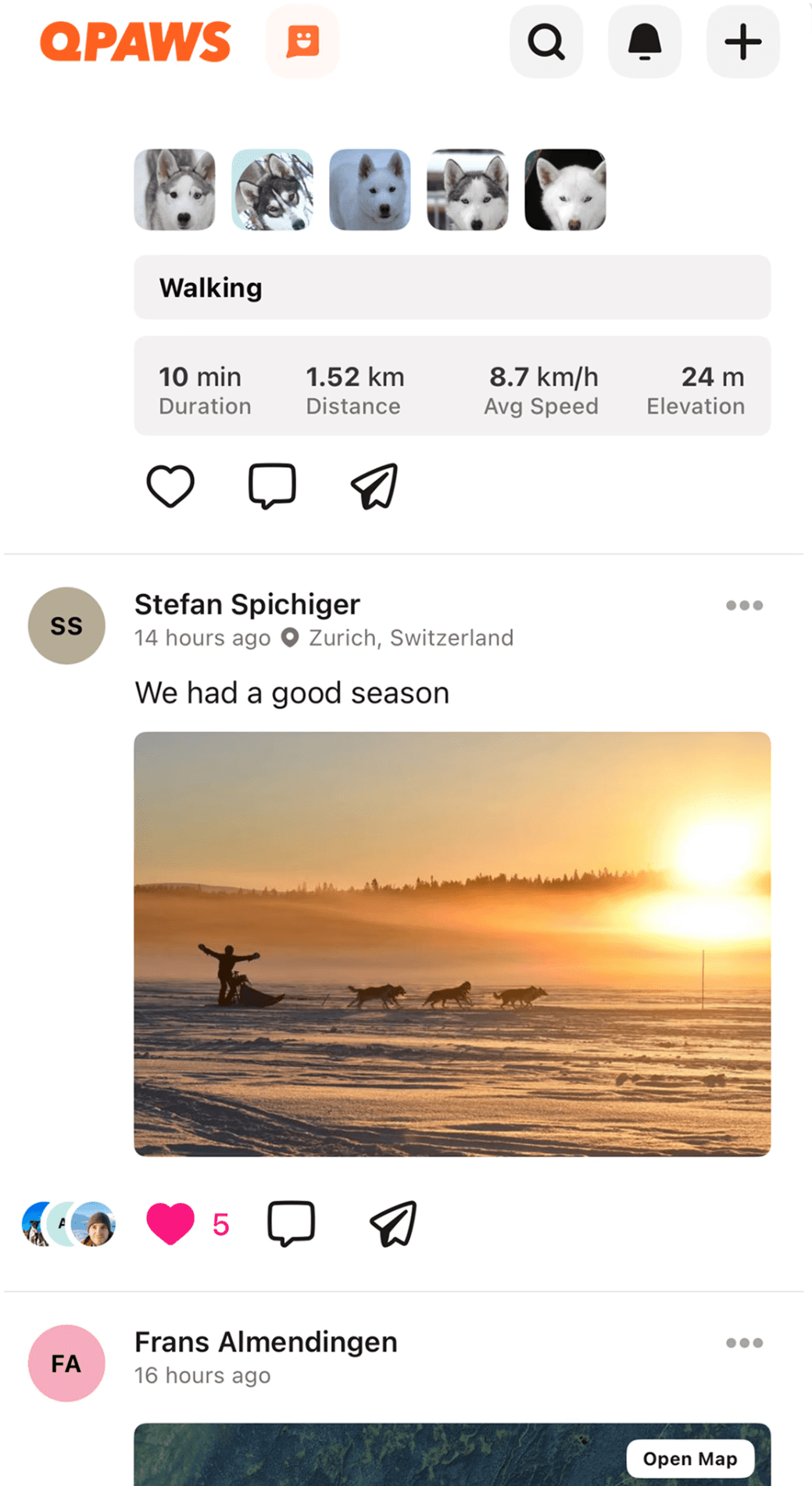
Qpaws changes this by turning each walk, run, or hike into structured data:
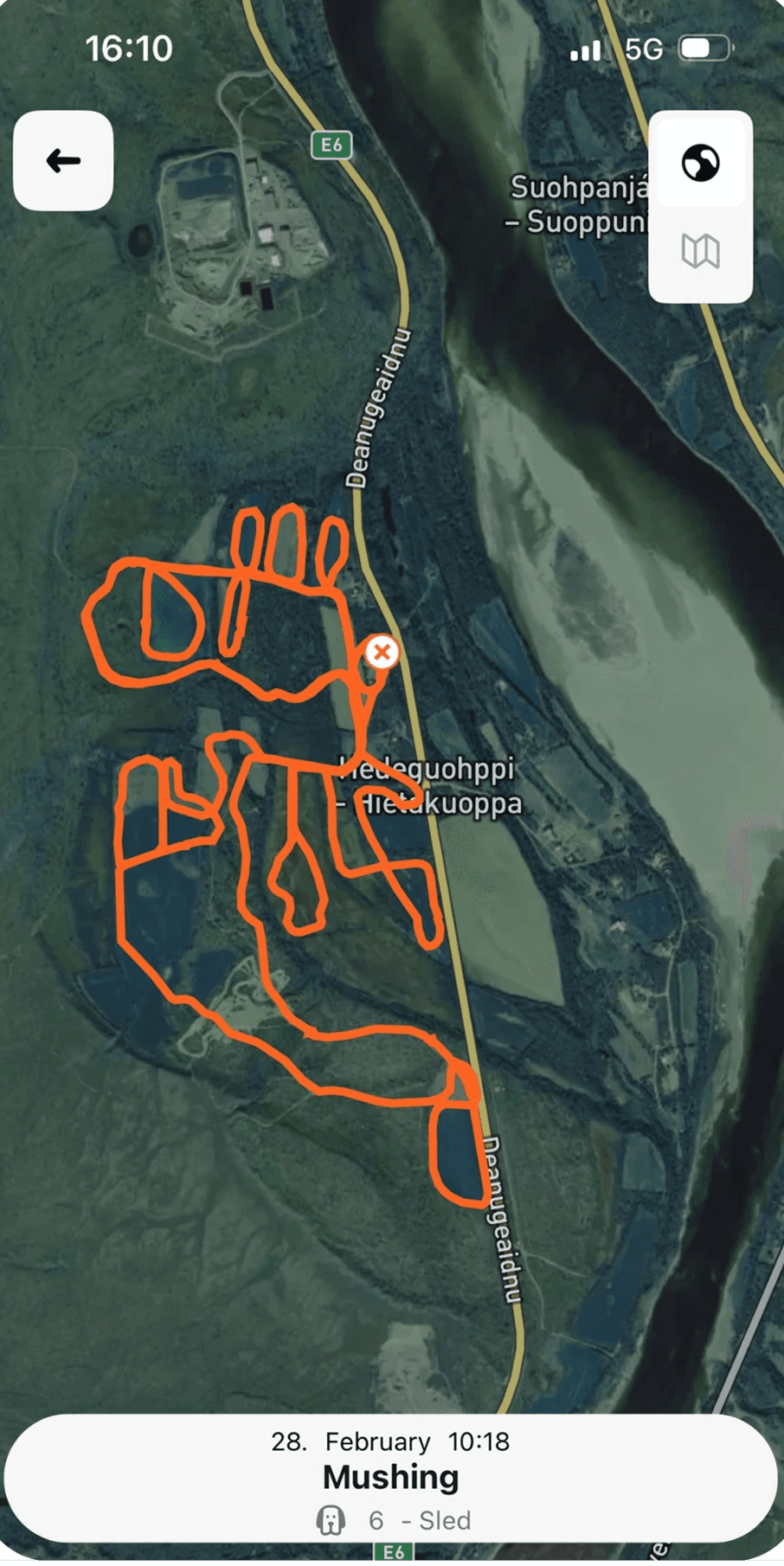
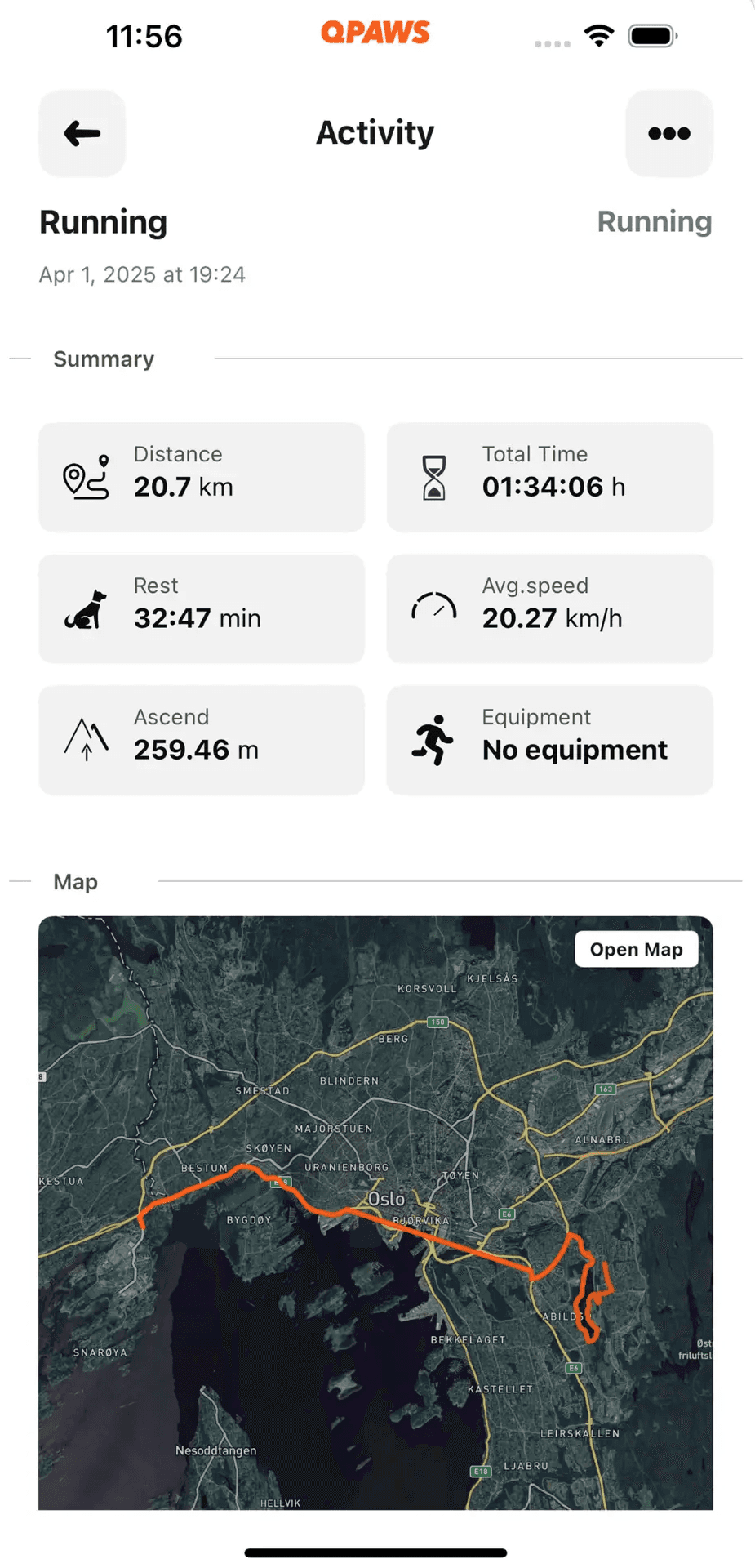
Distance, pace, and duration from every Strava or Garmin activity are automatically imported and tagged to your dog – no extra dog hardware required;
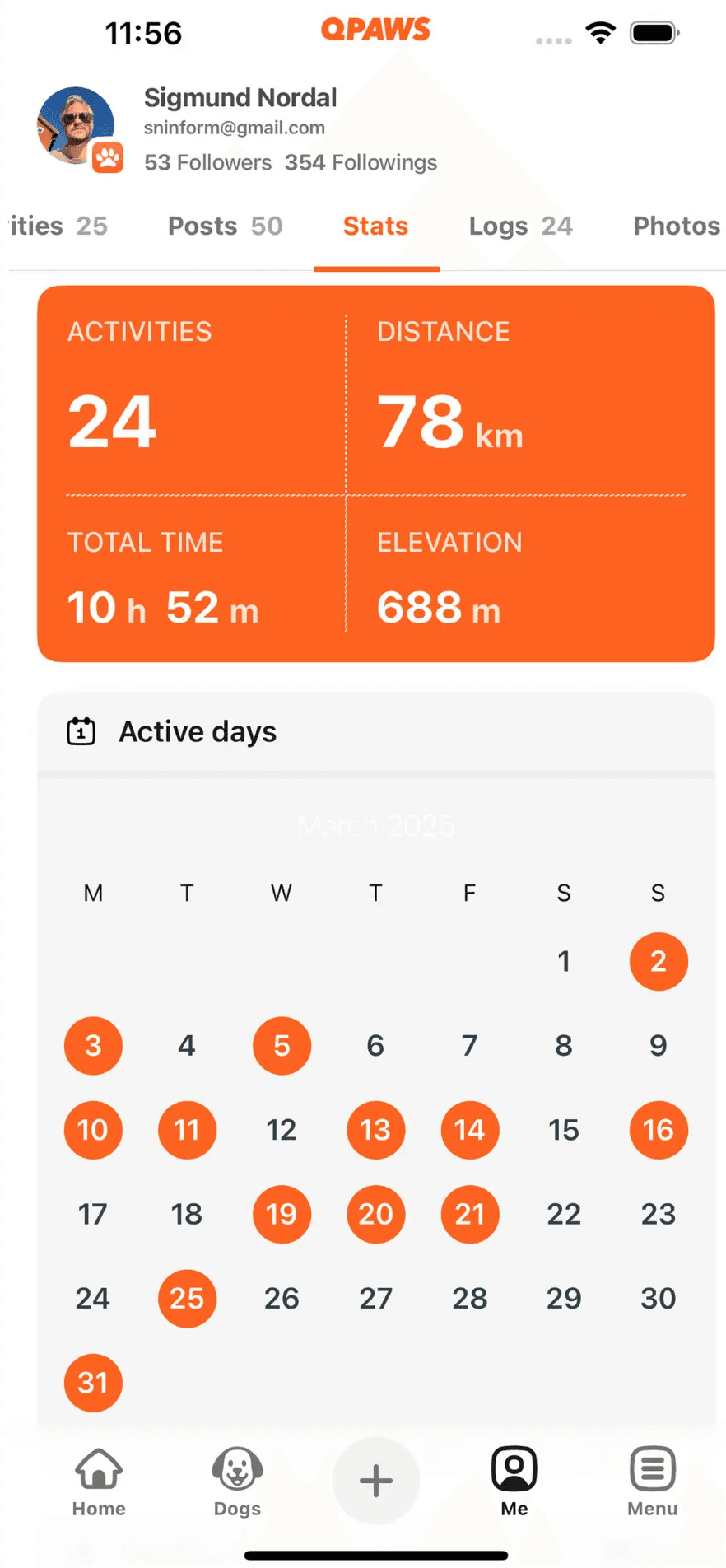
Weekly and monthly load trends show when training volume quietly creeps up;
Rest days vs. work days become visible, so you can prevent chronic overtraining;
Performance changes (slower pace on the same route, shorter sessions, fewer intense days) often signal fatigue or early health problems long before obvious symptoms appear.
Qpaws’ articles on which metrics matter, recovery after exercise, and building endurance safely are all built around the same principle: you can’t manage what you don’t measure. Tracking gives you a baseline, and baselines make deviations (and early warning signs) impossible to ignore.
For mushers and performance handlers, the Qpaws hard‑core dog owners experience layers in multi‑dog tracking and workload flags; for everyday active owners, the built for people who move with their dogs experience makes it effortless to sync your runs and hikes and tag which dog joined you.
Actionable Checklist: Spot Problems Early, Not Late
Use this quick framework to decide if you’re overdoing your dog’s exercise:
During and after exercise, watch for excessive panting, lagging, or refusal to continue
Monitor for limping, stiffness, or sore paws later that day and the next
Adjust exercise for puppies (5‑minute rule), seniors, and brachycephalic breeds
Build volume gradually and schedule true rest days
In hot or humid weather, shorten sessions and prioritize shade and hydration
Use a tracking tool like Qpaws to monitor distance, intensity, and recovery over weeks, not just days
Overexercising a dog is rarely about “bad intentions.” It’s almost always about missing the invisible signs. With the right knowledge – and a data-driven partner like Qpaws that integrates directly with your existing Strava and Garmin setup, you can give your dog the benefits of exercise, endurance, and adventure without drifting into injury, heatstroke, or chronic pain.
____
Thanks to Wiktoria King from 🇵🇱 Poland for providing the photos!
→ https://www.instagram.com/edvvena/
Related articles:
![Dog Endurance Training: Build Stamina Safely [Guide]](https://framerusercontent.com/images/7Y2HphZSTrLGkXRZ9TrZXx7u30.png?width=2240&height=1260)