





Bikejoring for Beginners: Training Tips & Injury Prevention
29 Dec 2025
Bikejoring takes everything fun about biking and adds the power and enthusiasm of your dog, but the speed and impact also raise the stakes for safety. As a beginner, the right foundation (gear, clear communication, braking control, and smart trail choices) can dramatically reduce the risk of falls, paw damage, and joint strain for both you and your dog. This guide walks you through essential training steps, practical safety checks, and the most common injuries to watch for, so you can enjoy bikejoring confidently from your very first runs.
What Is Bikejoring?
Bikejoring is a dog-powered sport where one or two dogs run in front of a bicycle, attached via a specialised towline and harness, helping pull the rider forward. It originates from traditional sled dog sports and dryland mushing, developed as a way to train dogs outside snowy conditions.
Compared with canicross (running with your dog) or skijoring (skiing behind dogs), bikejoring introduces higher speeds, greater momentum, and increased braking demands. That makes teamwork and control absolutely critical.
For many active dog owners, bikejoring becomes a rewarding progression: it blends endurance, mental focus, and shared effort. When done correctly, it strengthens the bond between rider and dog while providing structured, measurable exercise that goes far beyond a standard walk.
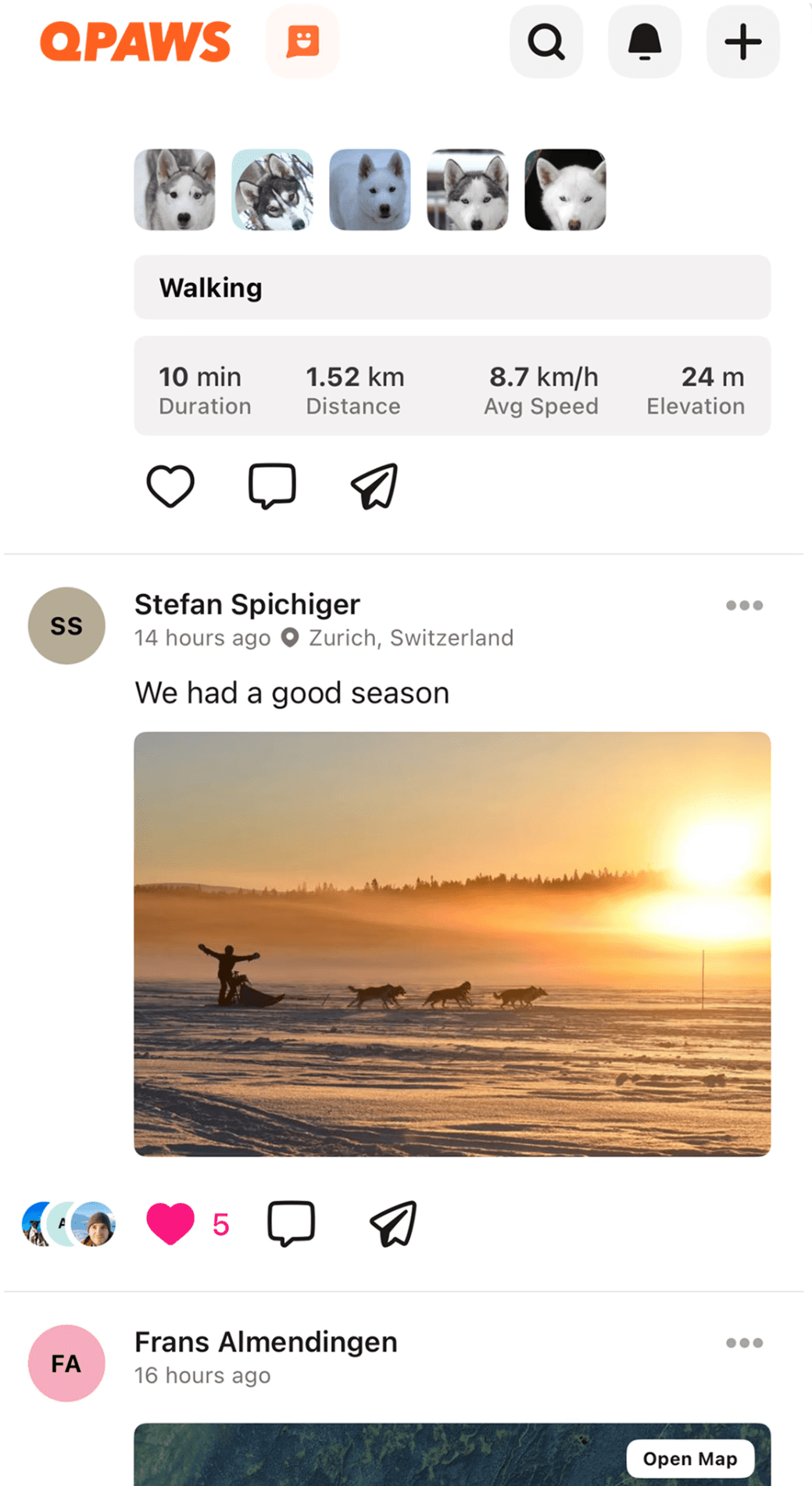
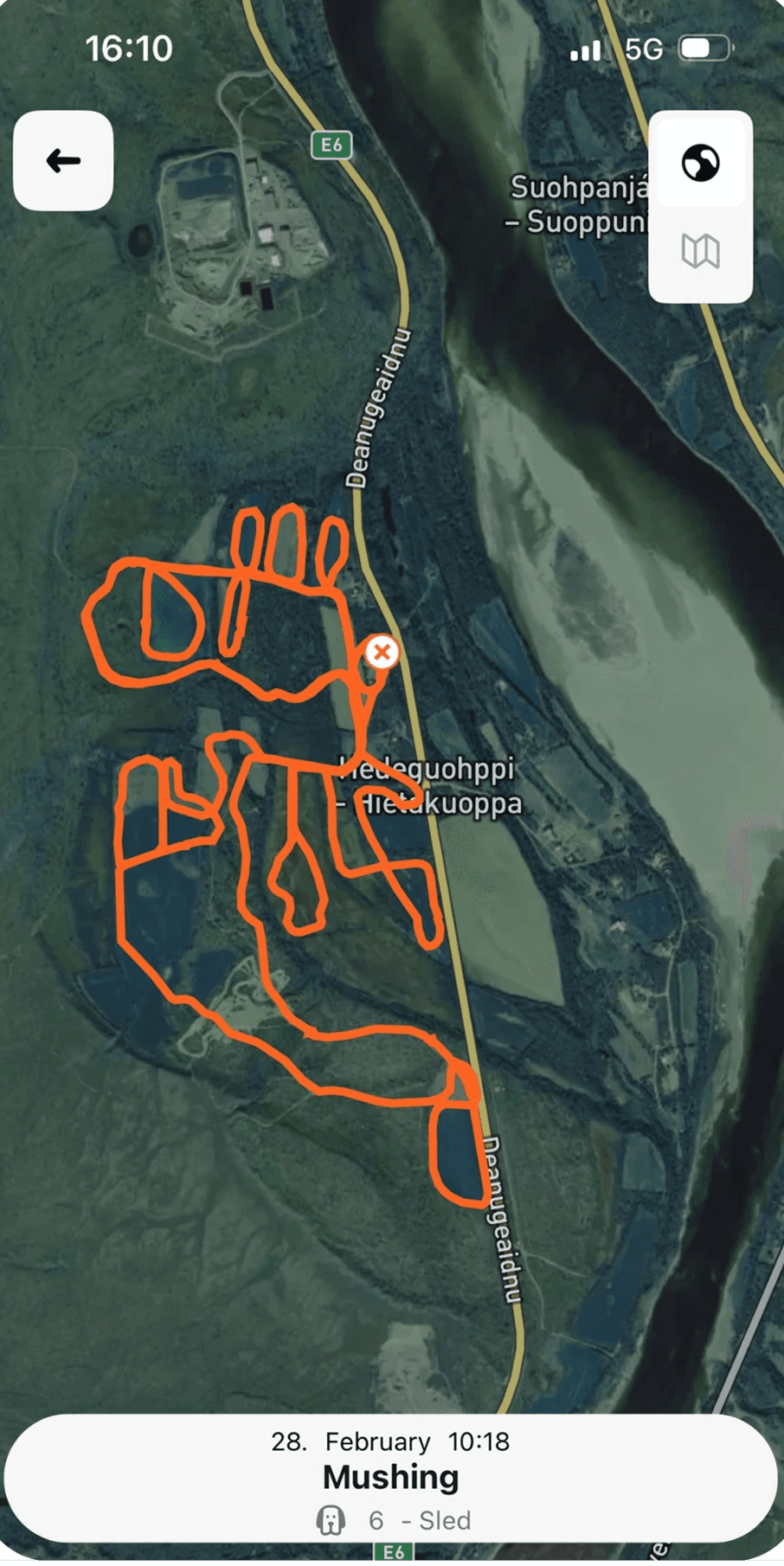
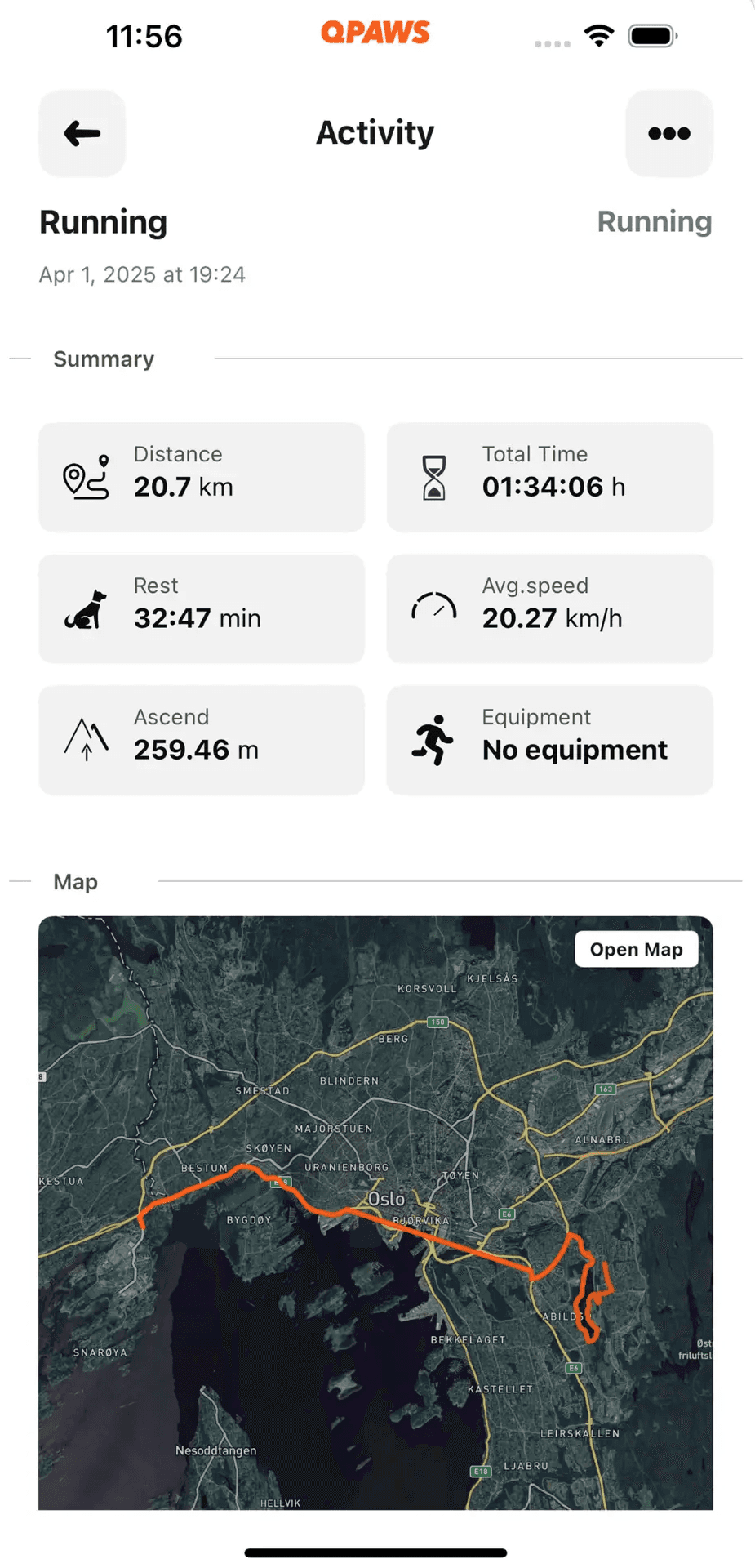
If you already track hikes, runs, or training sessions, bikejoring naturally fits into a broader activity routine. Qpaws was built exactly for this kind of progression, helping dog sport enthusiasts track training, walks, and health in one place.
Essential Gear for Safe Bikejoring
Proper equipment is not optional in bikejoring. It is the first and most important layer of injury prevention.
Bike setup
A mountain bike or gravel bike with reliable disc brakes is strongly recommended. You need predictable braking power, especially on downhill sections. Tires with good traction reduce skidding and improve control on dirt or gravel trails.
Many riders also install a bikejoring antenna (a rigid arm mounted to the frame). This keeps the towline away from the front wheel and prevents dangerous tangling if your dog changes direction suddenly.
Dog harness and towline
Your dog must wear a pulling harness designed for sled or bike sports, not a walking harness. A proper harness distributes force across the chest and shoulders without compressing the neck or restricting breathing.
The towline should include a bungee section to absorb sudden pulls and reduce shock to both your dog’s joints and your arms.
Rider protection
At minimum, wear:
a certified helmet (we recommend the one with MIPS),
gloves for grip and hand protection,
knee and elbow protection, especially during early training.
Falls happen most often at low speed during braking or turns. Protective gear significantly reduces the severity of these incidents.
Training Foundations for Beginners
Bikejoring training is not about speed first. It is about communication, confidence and consistency.
Voice commands are non-negotiable
Before attaching your dog to a bike, they should reliably understand:
“Gee” (turn right)
“Haw” (turn left)
“Easy” (slow down)
“Stop”
These commands should already work on foot or during canicross. On a bike, reaction time is shorter and mistakes carry a higher risk.
Conditioning before speed
Your dog needs gradual conditioning of muscles, joints, and cardiovascular capacity. Short, controlled sessions on flat terrain build a base without overloading shoulders or paws.
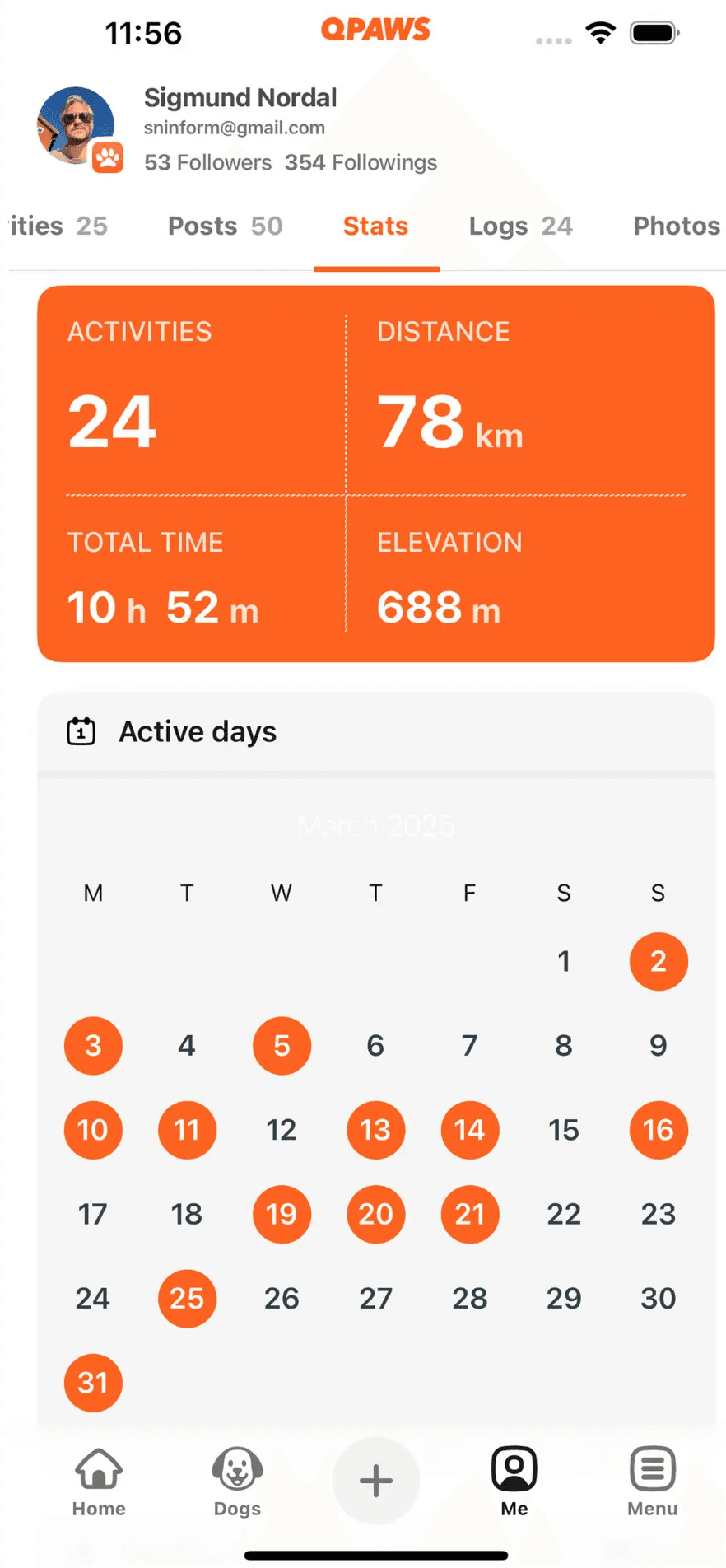
This is where consistent tracking matters. Monitoring distance, duration, and frequency helps prevent accidental overtraining. If you already log walks and runs, adding bikejoring sessions into the same system gives you a clear overview of total workload. Learn why consistency dog exercise beats intensity.
Start slow, stay predictable
Early sessions should feel almost boring. Straight lines, gentle terrain, short distances. Confidence builds when your dog knows exactly what to expect (and so do your reflexes as a rider).
Trail Selection and Braking Control
Trail choice can make or break your bikejoring experience.
Choosing the right trails
Ideal beginner trails are:
wide forest roads or gravel paths,
low traffic (both people and dogs),
minimal sharp turns or technical obstacles.
Avoid narrow singletracks, busy cycling paths, or areas with unpredictable distractions such as livestock or wildlife until your dog is highly experienced.
Managing downhill speed
Downhill sections are responsible for many beginner falls. Your dog will naturally want to accelerate, while your bike gains momentum.
Key principles:
brake before, not during, turns,
use steady, controlled braking rather than sudden grabs,
verbally cue “easy” early.
If you feel out of control, stop and reset. There is no penalty for walking a section.
Common Injuries and How to Prevent Them
Bikejoring injuries are usually not dramatic accidents – they are overuse issues that develop quietly.
Common dog injuries
Paw abrasions or ice burns (in cold or rough conditions),
shoulder and elbow strain from excessive pulling,
lower back fatigue due to poor harness fit or excessive distance.
Regular paw checks and gradual mileage increases are essential. If you train year-round, seasonal hazards matter as well, especially in winter. This guide explains what to watch for – signs of overexercising a dog: catch problems early.
Common rider injuries
Wrist and shoulder strain from sudden pulls,
knee injuries from falls or awkward dismounts,
lower back fatigue from poor riding posture.
Strong core stability and relaxed arms help absorb movement rather than fighting it.
Warm-up and recovery
A short walk before and after each ride dramatically reduces injury risk. Post-activity recovery matters just as much as training itself. Learn how rest and refuelling support performance here: https://qpaws.com/blog/dog-recovery-after-exercise-rest-refuel-perform
Building Endurance and Confidence Together
Progress in bikejoring should feel steady, not rushed. Increase only one variable at a time: distance, speed, or terrain complexity. Many injuries occur when all three increase simultaneously.
Watch your dog’s behaviour closely. Loss of enthusiasm, frequent stopping, or lagging are signals – not discipline issues. Data helps you catch patterns early, but your dog’s attitude completes the picture.
Tracking endurance trends over time (rather than focusing on single sessions) makes it easier to balance fitness with enjoyment.
Celebrate small milestones: first clean stop, first controlled downhill, first longer loop without hesitation. These wins build trust and motivation on both ends of the line.
Final Safety Checklist Before Every Ride
Before clipping in, pause and run through this checklist.
Dog check
Harness fits snugly without rubbing;
Paws clean and free from cracks or debris;
Hydration is adequate for the distance and temperature.
Bike check
Brakes are responsive and not rubbing;
Tires are properly inflated;
Towline securely attached and clear of wheels.
Environment check
Weather conditions are safe (heat, ice, wind);
Trail surface suitable for speed and traction;
Visibility and traffic manageable.
This routine takes less than two minutes and prevents the majority of avoidable incidents.
Final Thoughts
When approached thoughtfully, bikejoring is a dynamic way to build fitness, focus, and trust between you and your dog. Prioritising proper gear, voice commands, gradual progression, and regular health checks will go a long way toward preventing the crashes, paw injuries, and overuse issues that are common in high-speed dog sports. With a solid safety routine in place, each ride becomes less about risk and more about shared adventure, confident handling, and the pure joy of moving as a team.
If you want to keep all your dog’s activities – walks, runs, bikejoring sessions, recovery days – in one clear overview, explore how Qpaws supports active dog owners and dog sport enthusiasts.