





Working dogs are not pets with extra exercise. They are canine athletes with specific energy demands, recovery needs, and performance goals. While food quality matters, when you feed often has a bigger impact on stamina, gut comfort, and long-term soundness than many handlers realize.
In the first minutes of training, on hour six of a deployment, or during back-to-back competition runs, nutrition timing for working dogs determines whether your dog feels sharp, sluggish, or nauseous. This article focuses on before, during and after exercise feeding – practical, science-backed strategies to help you fuel your working dog with intention and precision.
Why Nutrition Timing Matters for Working Dogs
The metabolic reality of a working dog is fundamentally different from that of a companion animal. Instead of short bursts of activity around meals, working dogs may face sustained effort, repeated high-intensity bouts, or long days with unpredictable rest periods.
In this context, nutrition timing for working dogs directly affects:
how efficiently energy is available during work;
how well the gastrointestinal system tolerates movement;
hydration status across long or demanding days;
speed and quality of recovery between sessions.
Poor timing can lead to nausea, flat performance, dehydration, or prolonged soreness – even when the food itself is appropriate.
Thinking in terms of before, during and after exercise feeding allows handlers to align nutrition with workload rather than habit. When meals are placed intentionally around work, nutrition becomes a performance tool rather than a background routine.
How Working Dogs Use Energy (Simple Science)
Fat, Carbs and Protein in the Working Dog
Most working dog nutrition strategies rest on a simple principle: fuel must match effort.
Fat is the primary energy source for sustained work, delivering steady calories without rapid spikes.
Protein supports muscle function, tissue repair, and metabolic resilience.
Carbohydrates are situational tools, useful for short, intense work or accelerated recovery, but not mandatory for all dogs.
The key is not maximizing one nutrient, but timing each correctly. Excess carbohydrates at the wrong moment can disrupt energy regulation, while insufficient fat limits endurance capacity.
Endurance vs Sprint-Type Work
Different working roles stress the body differently.
Endurance-focused work (herding, sledding, SAR, long hunting days) relies heavily on fat metabolism and pacing.
Short, high-intensity work (police, detection, agility, flyball) depends more on rapid energy availability and efficient recovery.
Effective performance dog nutrition reflects these differences. A performance dog diet is shaped as much by timing and workload as by ingredient choice.
Pre-Exercise Fueling: What and When to Feed
When to Feed Before Work
Pre-exercise feeding is about digestive safety and metabolic readiness—not loading the stomach.
For most working dogs:
Main meal: feed 6–10 hours before demanding work.
Optional light top-up: a small, easily digestible snack 60–120 minutes before work, only when the workload justifies it.
Avoid: Large meals within 2–3 hours of intense exercise.
This spacing supports gut comfort, reduces the risk of vomiting or sluggish movement, and helps lower the likelihood of gastric issues.
What to Put in the Pre-Exercise Bowl
A good pre-exercise meal for dogs prioritizes digestibility over volume.
Key characteristics include:
moderate portion size;
high-quality, digestible protein;
sufficient fat for sustained energy;
low bulk and low fermentable fiber.
When handlers ask what to feed a working dog before exercise, the most accurate answer is rarely “more food.” It is the right nutrients, fed early enough to be processed before work begins.
Fueling During Exercise: Long Days and Multi-Stage Work
Most short training sessions do not require feeding during work. Intra-exercise fueling becomes relevant when:
work exceeds 2–3 continuous hours;
dogs perform multiple work blocks in one day;
environmental stress (heat, cold, terrain) increases energy demand;
recovery windows between efforts are short.
This is common in sled dog training, SAR deployments, hunting days, and long competition events.
Smart Snacks and Hydration Strategies
When used correctly, intra-workout snacks for dogs should be:
small and calorie-dense;
easy to digest under movement;
spaced every 60–90 minutes during long work.
Fat- and protein-based snacks are generally better tolerated than sugar-heavy treats, which may cause brief spikes followed by drops in focus or stamina.
Equally important is hydration for working dogs:
offer water frequently in small amounts;
avoid both forced restriction and over-drinking;
monitor panting, focus, and urine color;
adjust strategy for heat, humidity, coat type, and terrain.
In prolonged or extreme conditions, nutrient-enriched fluids may support electrolyte balance, but plain water remains the foundation.
Post-Exercise Recovery: Refuel, Rehydrate, Repair
How Long to Wait Before Feeding
Immediately after work, the body prioritizes cooling and cardiovascular recovery, not digestion.
General guidance:
allow 15–30 minutes for breathing and temperature to normalize;
offer water first, in small amounts;
a light recovery snack may be appropriate within 30 minutes;
feed the main meal 60–90 minutes post-exercise.
Feeding too soon increases gastrointestinal stress and reduces nutrient absorption.
Building the Ideal Recovery Meal
Effective post-exercise recovery food for dogs supports three goals:
refuel: restore used energy reserves;
repair: support muscle and connective tissue recovery;
prepare: set the dog up for the next work session.
A strong recovery meal includes:
high-quality protein;
adequate fat;
carbohydrates when repeat sessions or next-day work demand faster glycogen replenishment;
easy digestibility.
Consistency here shortens recovery time and reduces cumulative fatigue across weeks and seasons.
Sample Feeding Schedules for Different Working Dogs
These examples are templates designed to be adjusted by workload, size, and individual metabolism. They are intentionally structured as canine athlete feeding schedules.
Herding Dog on the Farm
morning: main meal 6–8 hours before work;
pre-work: optional small snack if workload escalates;
during work:
water every 30–45 minutes,
small snack every 90 minutes on long days;
post-work:
water immediately,
main meal after 60–90 minutes;
Search and Rescue Dog on Call
morning: main meal 8–10 hours before potential deployment;
pre-deployment: light snack 60–120 minutes before work;
during deployment:
small snacks every 60–90 minutes,
frequent hydration;
post-deployment:
recovery snack after cooldown,
full meal after 60–90 minutes;
Police or Detection Dog on Shifts
pre-shift: main meal 6–8 hours before work;
during shift:
water offered regularly,
small snacks between intense work blocks if needed,
post-shift: main meal once breathing and temperature normalize;
Weekend Sport Dog (Agility, Canicross, Flyball)
before the event: main meal 8–10 hours prior,
pre-run: optional small snack 90 minutes before first run,
during the event:
minimal snacking between runs,
frequent small water offers;
after the event:
recovery snack after cooldown,
main meal 1–2 hours later.
Common Mistakes and How to Avoid Them
Feeding large meals right before intense work;
Using an inconsistent feeding schedule for working dogs on busy days;
Relying on high-sugar treats as the main energy source;
Ignoring hydration or over-restricting water;
Failing to adjust intake for weather, terrain, and workload;
Neglecting spacing between meals and exercise to prevent bloat in working dogs, especially deep-chested breeds.
Most problems come from timing errors, not poor food quality.
Quick Takeaways for Handlers
Before:
feed main meals 6–10 hours before work;
avoid large meals within 3 hours of exercise;
use small, digestible top-ups only when the workload justifies it.
During:
fuel only during long or repeated work;
keep snacks small, calorie-dense, and spaced;
prioritize steady hydration over volume.
After:
cool down before feeding;
offer water first;
feed recovery meals 60–90 minutes post-work.
Bringing It All Together: Timing Is the Hidden Performance Lever
For working dogs, nutrition is not just about what goes into the bowl, but when it gets there. Two dogs can eat the same food and perform very differently depending on how the feeding aligns with the workload.
Effective nutrition timing for working dogs follows a clear logic: feed early enough to digest, fuel strategically during long efforts, and recover deliberately once the work is done. When feeding schedules are consistent and aligned with real demands, nutrition supports not only output, but resilience.
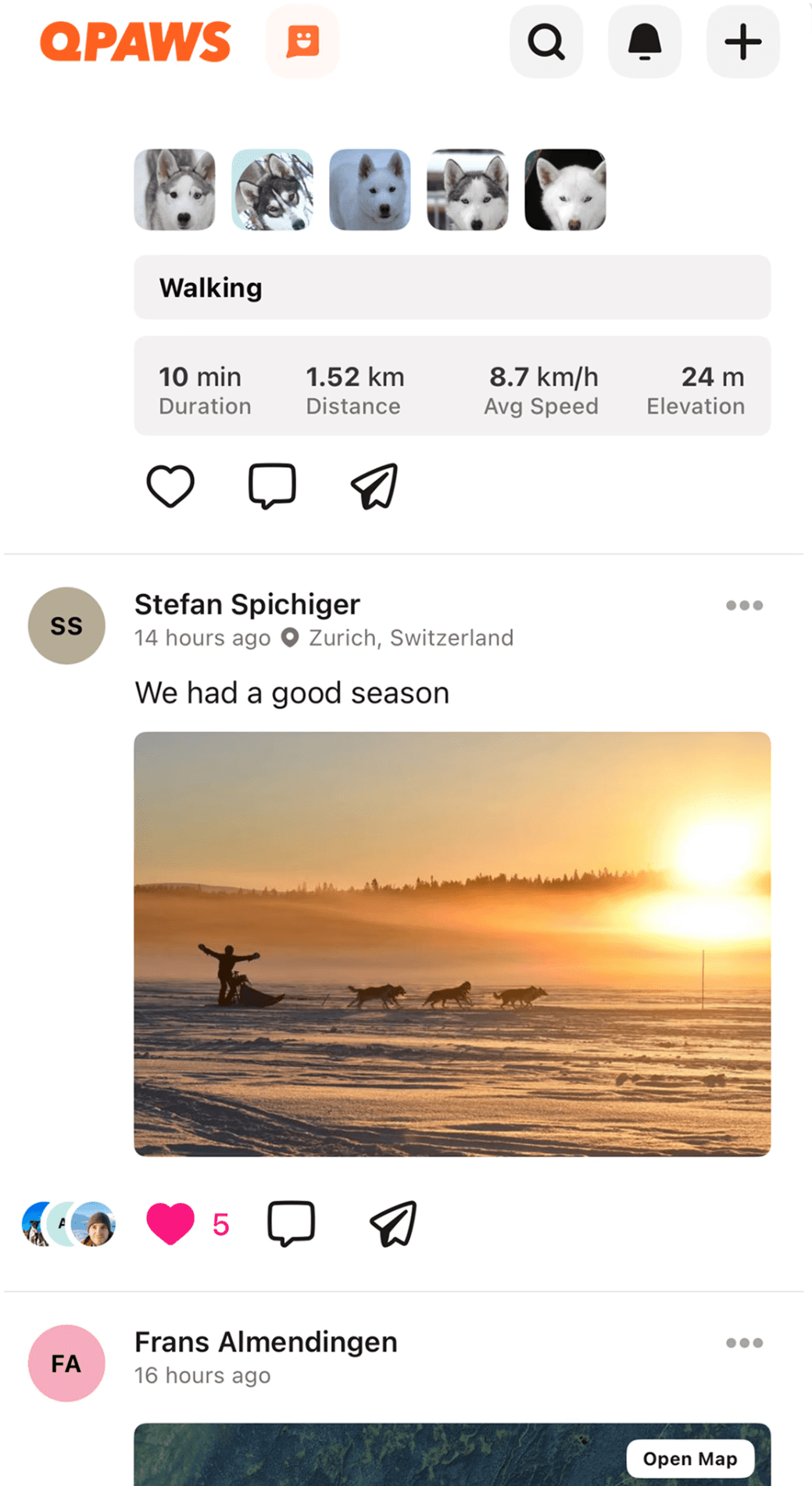
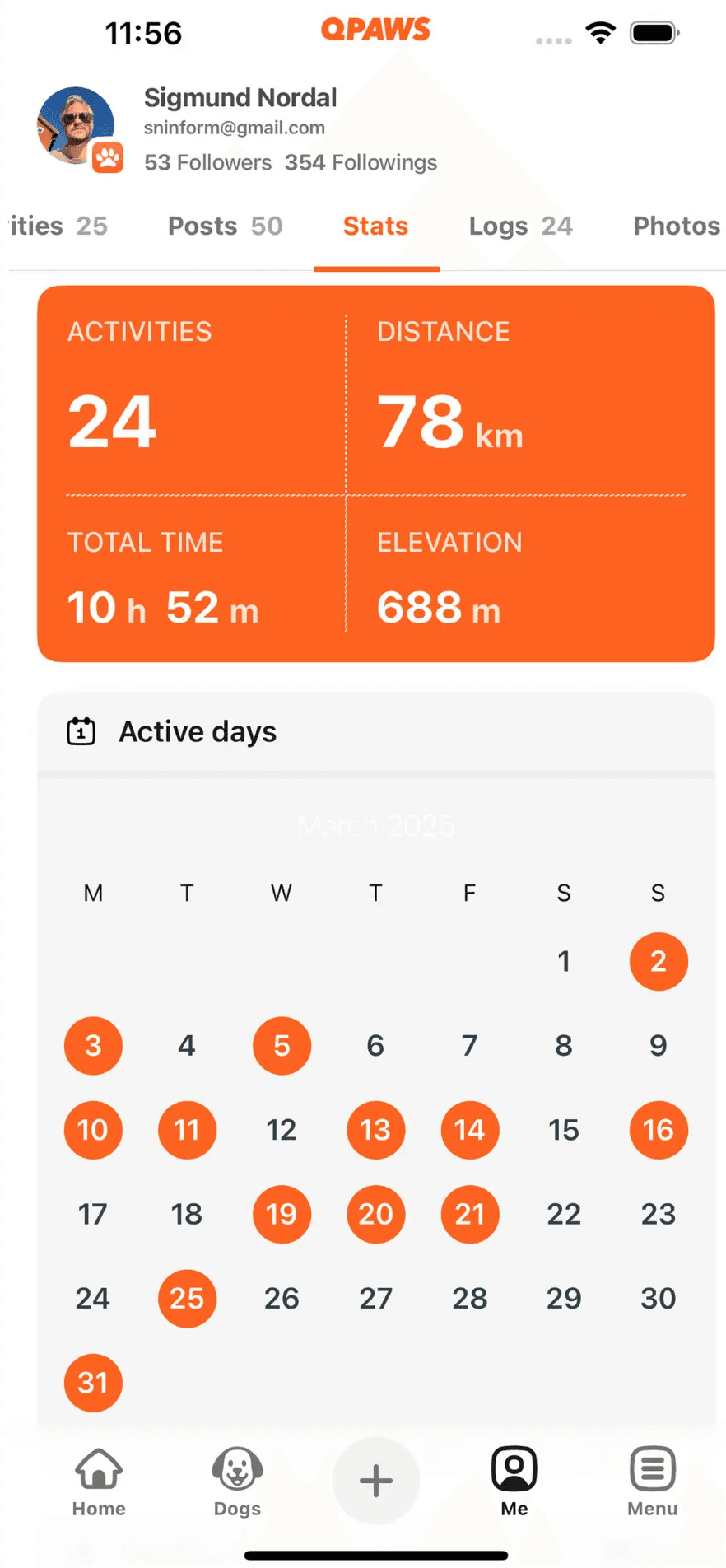
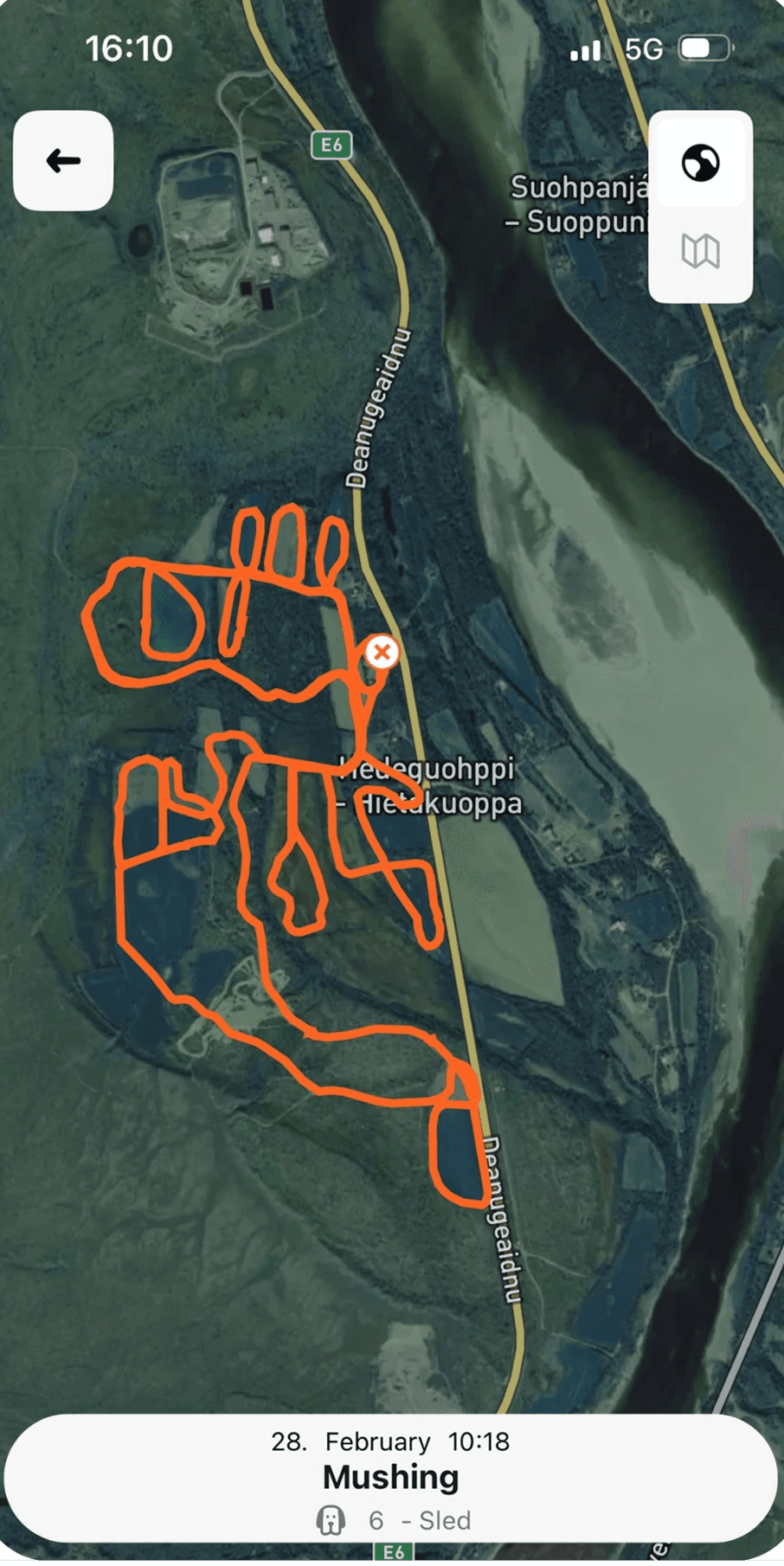
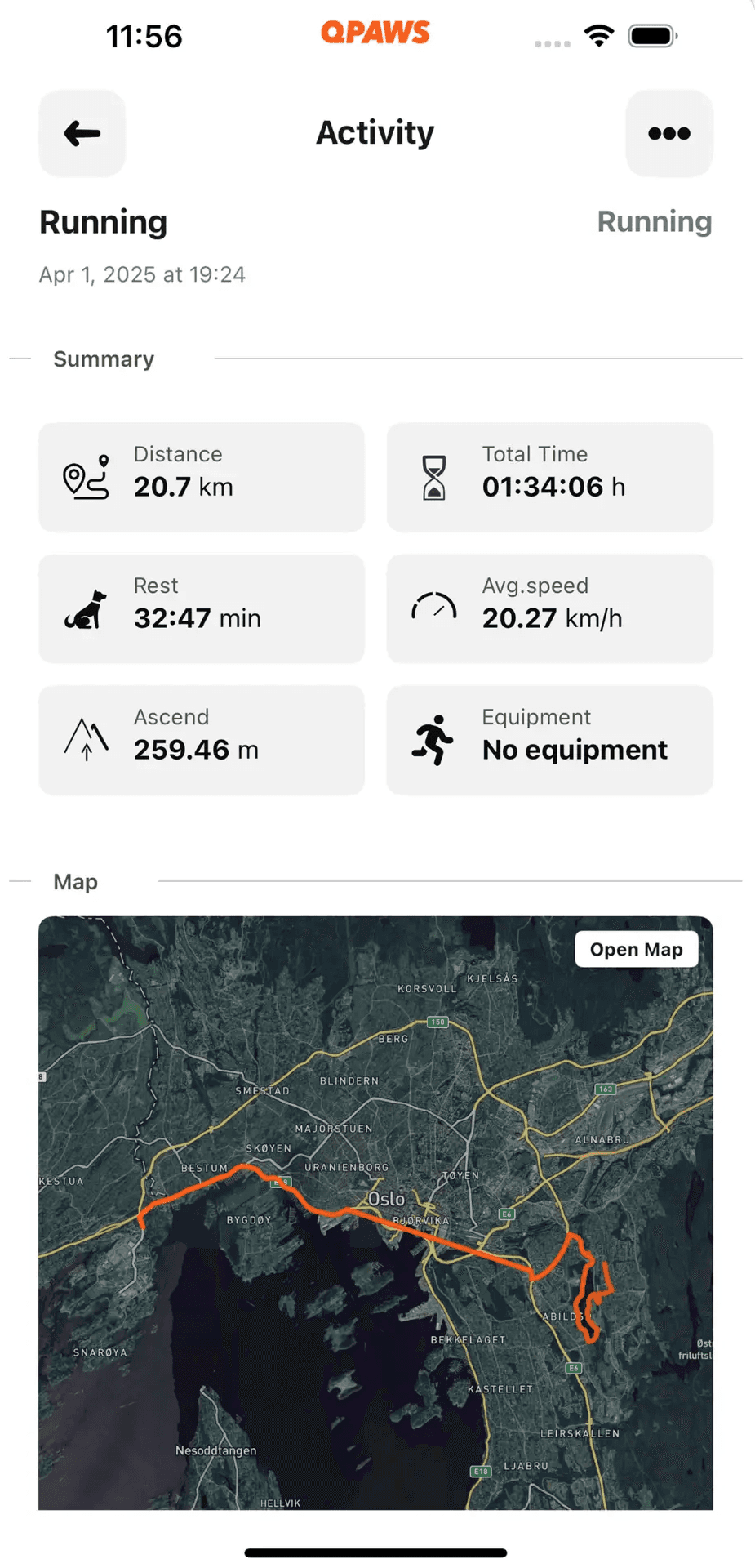
For handlers managing structured training, multi-dog teams, or seasonal workloads – whether they identify more as hard-core dog mushers or active dog owners – connecting feeding routines to actual activity data adds another layer of precision.
That is where nutrition timing stops being guesswork and becomes part of intelligent, performance-driven dog management.
____
Thanks to Jan Svoboda from 🇨🇿 Czech Republic for providing the photos!
→ FB: https://www.facebook.com/jan.svoboda.71
→ IG: https://www.instagram.com/lone_wolf81
Related articles:


![Dog Endurance Training: Build Stamina Safely [Guide]](https://framerusercontent.com/images/7Y2HphZSTrLGkXRZ9TrZXx7u30.png?width=2240&height=1260)