





Paw Health for Winter Sports Dogs: Frostbite, Snowballs & Recovery
23 Dec 2025
Winter brings some of the most exhilarating activities you can enjoy with your dog – skijoring, canicross, sledding, winter hiking, or simply running through snow-packed trails. But colder weather also brings a unique set of challenges for paw health. Ice, snow, salt, wind chill, and repetitive motion can quickly turn a joyful outing into discomfort or injury if paw care isn’t managed properly.
This guide breaks down the science behind winter paw vulnerability, how to recognise early signs of frostbite, why snowballs form between toes, how to prevent environmental damage, and how to support healthy recovery after cold-weather sports. Throughout the article, you’ll also find natural opportunities to make winter training safer and more consistent using Qpaws – the all-in-one app for tracking your dog’s activity, terrain, performance and recovery.
Understanding Dog Paw Anatomy in Winter
Why Dog Paws Are Vulnerable in Cold Conditions
A dog’s paw appears tough – thick skin, fatty padding, and natural shock absorption – but winter exposes weaknesses that aren’t obvious at first glance.
Paw pads contain:
fatty tissue, which provides some insulation,
a dense network of small blood vessels, which constrict rapidly in cold,
thick epidermis, which protects against abrasion but not necessarily freezing temperatures,
hair between the toes, which traps warmth but also collects snow.
Cold exposure reduces blood flow to the pads and can make the skin more brittle. Just like human fingers, tissues stiffen in freezing temperatures and become more prone to cracking or injury.
Breed Differences in Cold Sensitivity
Arctic breeds such as Huskies and Malamutes have evolutionary design on their side: tighter interdigital spaces, naturally insulating fur, and superior circulation. Meanwhile, warm-climate breeds and dogs with sparse paw hair may feel the cold far faster.
Individual dogs also differ in paw hardness depending on:
conditioning,
activity frequency,
previous injuries,
age.
If you want to learn how endurance builds over time, you can explore the Qpaws guide on building dog stamina safely.
Why Cold Affects Paws: Physiology & Circulation
The Body’s Cold Response
When a dog’s body senses cold, it prioritises the vital organs. Blood vessels in the paws constrict to preserve core warmth, reducing circulation to the extremities. Reduced blood flow can make paw pads:
Less flexible
Less responsive
More prone to cracking
Slower to heal
Cold also affects nerve sensitivity, which is why dogs may not immediately show discomfort — a concerning factor during long winter runs.
How to Identify a Dog’s Cold Threshold
A dog may demonstrate cold sensitivity through:
Frequent paw lifting
Whining or hesitation
Slowing pace without obvious fatigue
Excessive licking of one paw
Inconsistent behaviour during runs often indicates more than “just being tired.” Qpaws can help you track early signs of overexertion or sudden performance dips that may signal discomfort.
Frostbite in Dogs: Prevention, Signs & Treatment
Early Frostbite Signs to Watch For
Frostbite usually affects:
paw pads,
toes,
tail tip,
ears.
Signs include:
pale, bluish, or grey skin,
hard or cold pads,
pain when touched,
limping,
sudden refusal to continue the activity.
Risk Factors for Frostbite
Dogs are more vulnerable when:
The temperature is below freezing and the wind chill is significant;
Paws are wet or snow-packed;
Sessions are long and the dog is fatigued;
The activity is high-speed (sledding, skijoring);
To help understand recovery pacing after intense runs, you can explore this guide on dog recovery after exercise.
Prevention Strategies
The best protection is combining gear, routine and smart pacing:
properly fitted winter booties,
paw wax or balm to provide barrier protection,
avoiding standing still in deep snow for long periods,
shorter sessions in extreme cold, increasing duration gradually,
monitoring training load to avoid fatigue-related circulation issues.
First Aid: What To Do (and Not Do)
If you suspect frostbite:
move the dog into a warm environment immediately,
warm the area gently with lukewarm (never hot) water,
do not massage or rub – this damages tissue,
dry carefully and prevent re-exposure to cold,
contact your vet if colour does not return or the dog seems in pain.
Long-Term Complications
Frostbite can cause:
permanent sensitivity;
pad cracking;
nail bed damage;
reduced tolerance for future cold sessions.
Severe cases always require veterinary evaluation.
Snowball Formation: Causes, Prevention & Safe Removal
Why Snowballs Form Between the Toes
Snowballs form when:
melted snow gathers between toes,
it refreezes with movement,
paw hair traps slush.
This is particularly common in long-haired or curly-coated breeds such as Aussies, retrievers and poodles.
How Snowballs Impact Performance
Ice buildup can cause:
chafing,
abrasion,
gait changes,
sudden limping,
early fatigue.
How To Prevent Snowballing
Trim paw hair carefully without exposing skin;
Apply a thin layer of paw balm to reduce snow adhesion;
Use booties on heavy-snow days.
Safe Removal Techniques
Never pull ice chunks aggressively – this can injure sensitive skin. Instead:
use lukewarm water to melt the ice,
dry the paw thoroughly,
apply moisturiser afterward.
Environmental Hazards: Road Salt, Chemicals & Ice Melt
Chemical Risks in Winter
Common de-icers (sodium chloride, calcium chloride, magnesium chloride) can cause:
dryness,
chemical burns,
redness and irritation,
cracking,
licking-induced stomach irritation.
Protective Measures
Rinse paws after every outing;
Moisturise to keep pads elastic;
Use chemical-resistant booties when walking in urban areas.
Winter Sports-Specific Considerations
Winter activities are not all equal – each sport applies different stresses to paws.
Mushing & Sledding
Long distances increase risk of cumulative abrasion;
Wind chill at high speed accelerates freezing;
Frequent surface changes (ice, snow, packed trails) require toughened pads.
Mushers often rely on strict recovery routines. You can learn more from Qpaws’ guide on endurance and recovery between sessions.
Skijoring & Canicross
Because these sports involve continuous pulling, the dog’s paws experience:
repetitive force,
heat–cold fluctuations,
potential snowballing on looser snow.
Winter Hiking
Sharp ice, mixed rock, and hidden debris increase injury risk. Dogs may not show pain immediately – especially high-drive dogs.
Understanding Activity Duration & Load
Dogs tire differently on snow and ice compared to trails or flat terrain. Tracking pace, distance and time helps you adjust activity when cold conditions raise the difficulty level.
Recovery & Aftercare
Post-Activity Inspection Checklist
After every winter session:
Check pads for cracks or colour changes;
Look between toes for ice or irritation;
Inspect the dewclaws and nails;
Watch your dog’s gait once you’re home.
More subtle signs of discomfort may not be visible – this guide explains how to catch early warnings – the invisible signs from your dog.
Cleaning & Drying
Rinse paws with lukewarm water;
Dry thoroughly between the toes;
Avoid using hot air drying tools (risk of burns).
Healing Treatments
Apply:
Paw balms for repairing dryness;
Vet-approved creams for deeper cracks;
Protective wax before the next session,
Rest & Activity Adjustment
If the paws show any irritation, scale back mileage or intensity. Use shorter walks and low-impact activities until healed.
Protective Equipment & Products
Booties. It is a simple solution and here are some types:
Soft fleece booties for light protection;
Cordura booties for sledding, skijoring and longer distances;
Rubberised booties for salt protection in urban settings.
Fit matters more than brand. Dogs must learn to tolerate booties gradually. Start indoors, reward frequently, and increase duration over time.
Paw Balms & Waxes
Balms create a protective barrier, while waxes help stop snow from clinging. Apply sparingly – too much product can affect traction.
Breed-Specific Considerations
Winter Breeds
Huskies, Malamutes, Greenland Dogs and Samoyeds handle cold better, but they are not immune to frostbite. Long sessions still require protection.
Short-Haired or Sensitive Breeds
Pointers, Vizslas, Whippets and similar breeds may need:
frequent breaks,
booties,
shorter sessions.
Individual Sensitivities
Senior dogs, puppies and those with past injuries are at the highest risk. Adjust your training plan to their comfort and ability.
Training & Conditioning for Winter Paws
Gradual Acclimatisation
Start with:
5–10 minute exposures,
light activity,
careful monitoring.
Build duration over weeks.
Paw Toughness Over Time
Cold-weather toughness isn’t achieved through discomfort. Controlled, consistent training shapes stronger pads.
For those interested in data-informed training, see Qpaws’ guide to which metrics matter most in dog performance tracking.
Knowing When to Stop
Dogs rarely quit on their own, especially working breeds. Look for:
subtle gait changes,
reduced pull force,
hesitation or distraction,
increased paw licking.
Early recognition prevents injury.
Emergency Situations & Serious Complications
Severe Frostbite
Signs include:
blackened or leathery tissue,
blisters or swelling,
loss of sensation.
This is a medical emergency.
Infections
Cracks or cuts exposed to moisture can become infected. Signs:
redness,
discharge,
pain response.
Recovery Timeframes
Mild irritation: 2–5 days
Moderate frostbite: 2–3 weeks
Severe frostbite: months, often with lasting sensitivity
Use photo logs or activity notes to track progress.
How Qpaws Helps Protect Paw Health in Winter
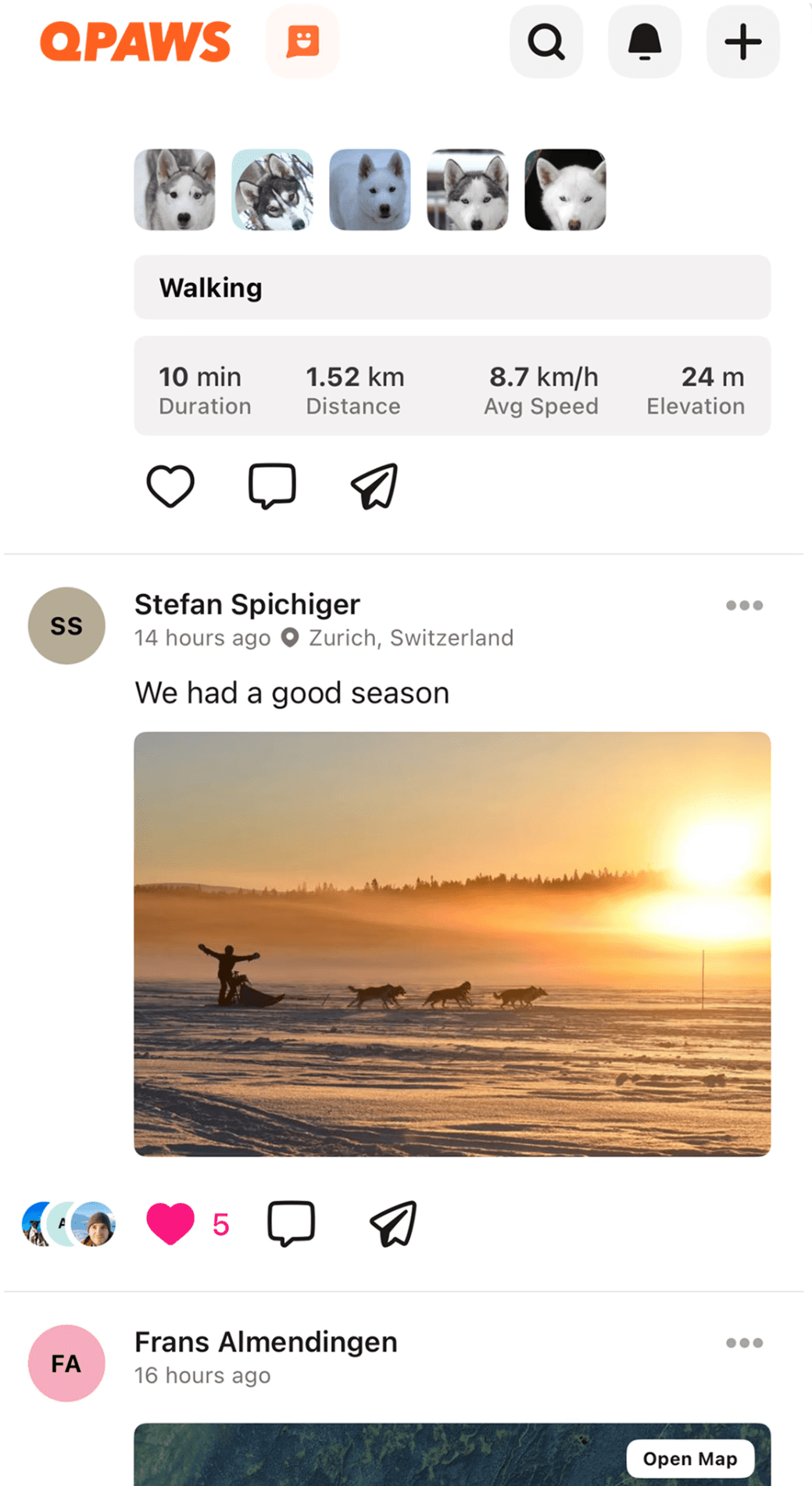
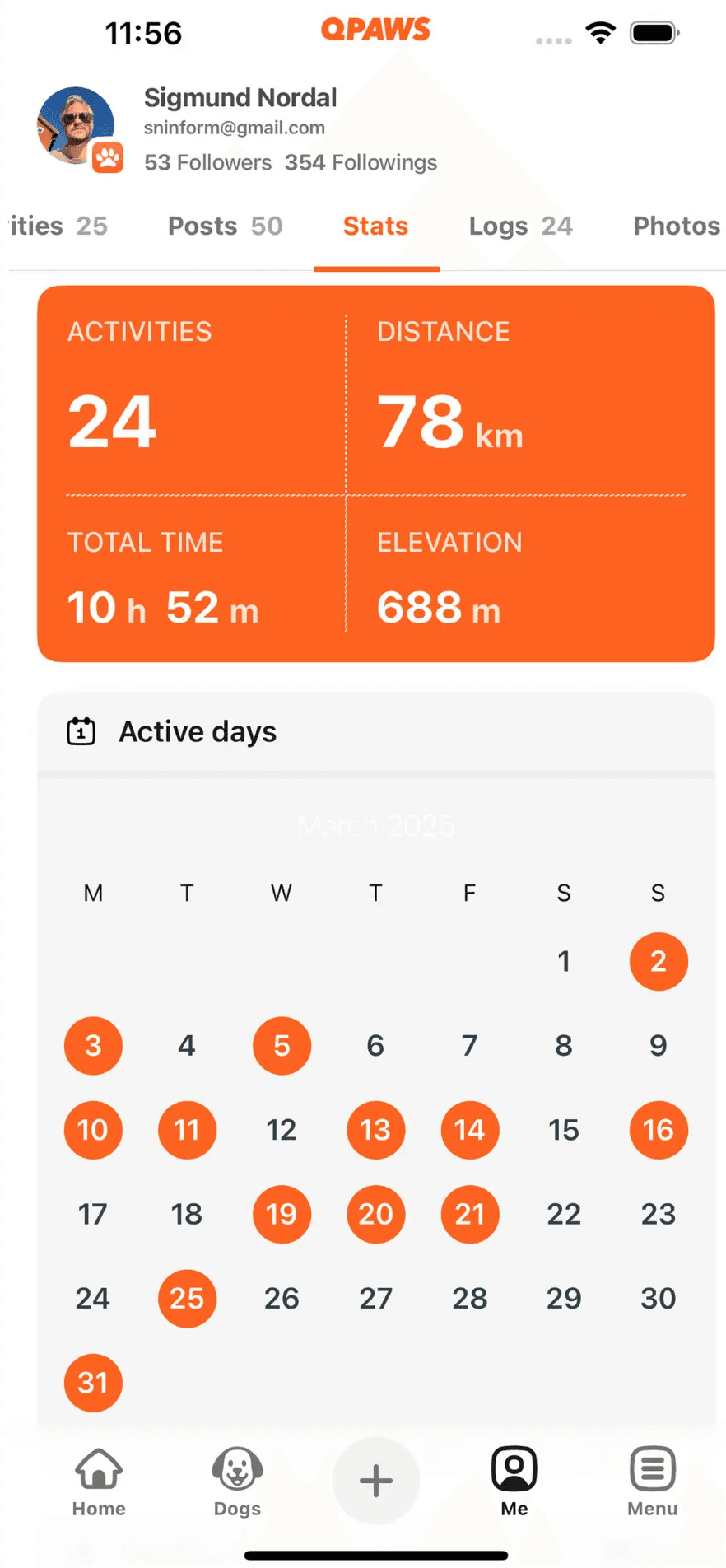
Winter sports require more than enthusiasm – they require awareness. Qpaws provides a structured way to monitor your dog’s activity and catch early paw issues.
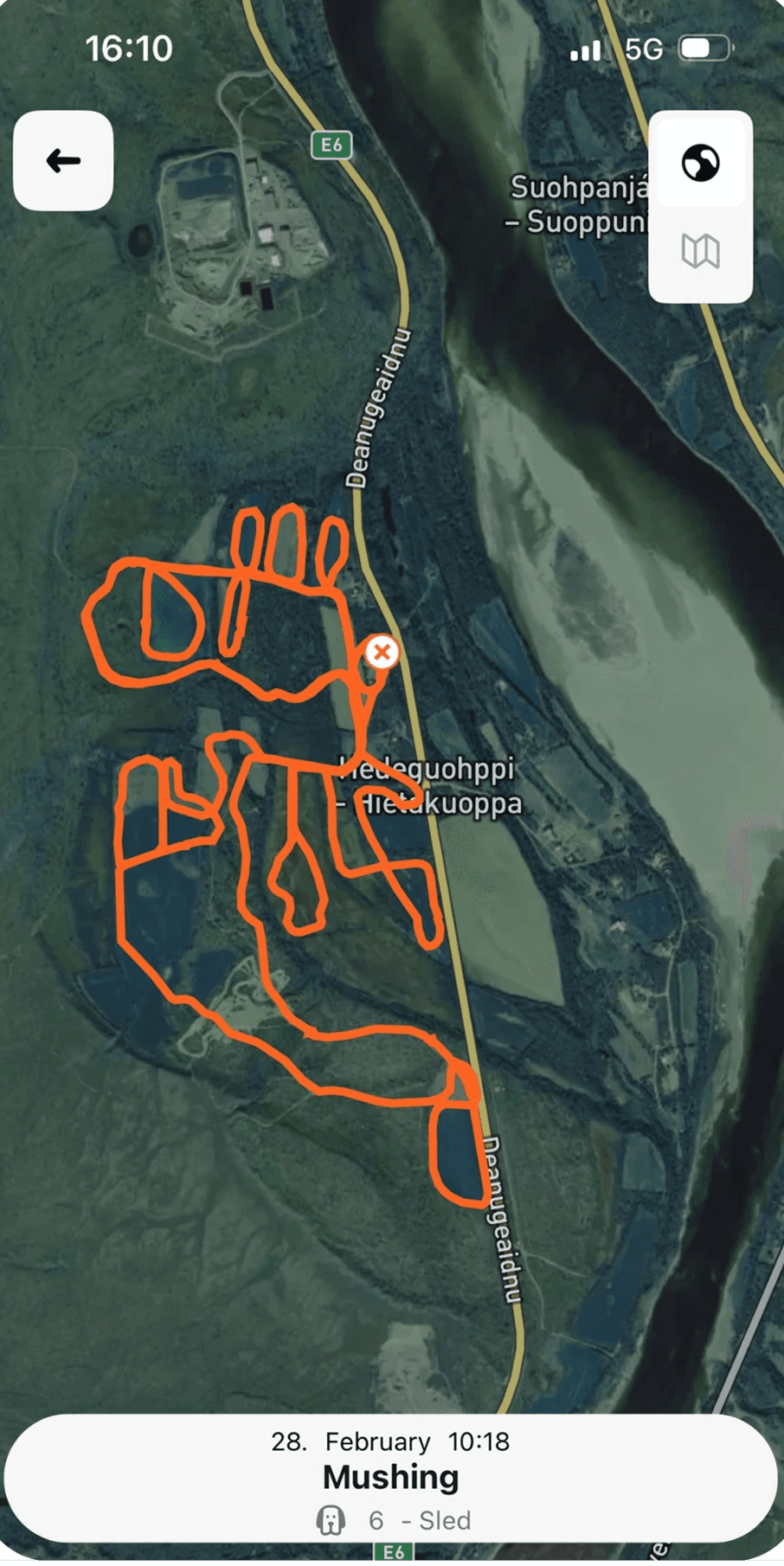
Monitor Activity Load & Terrain
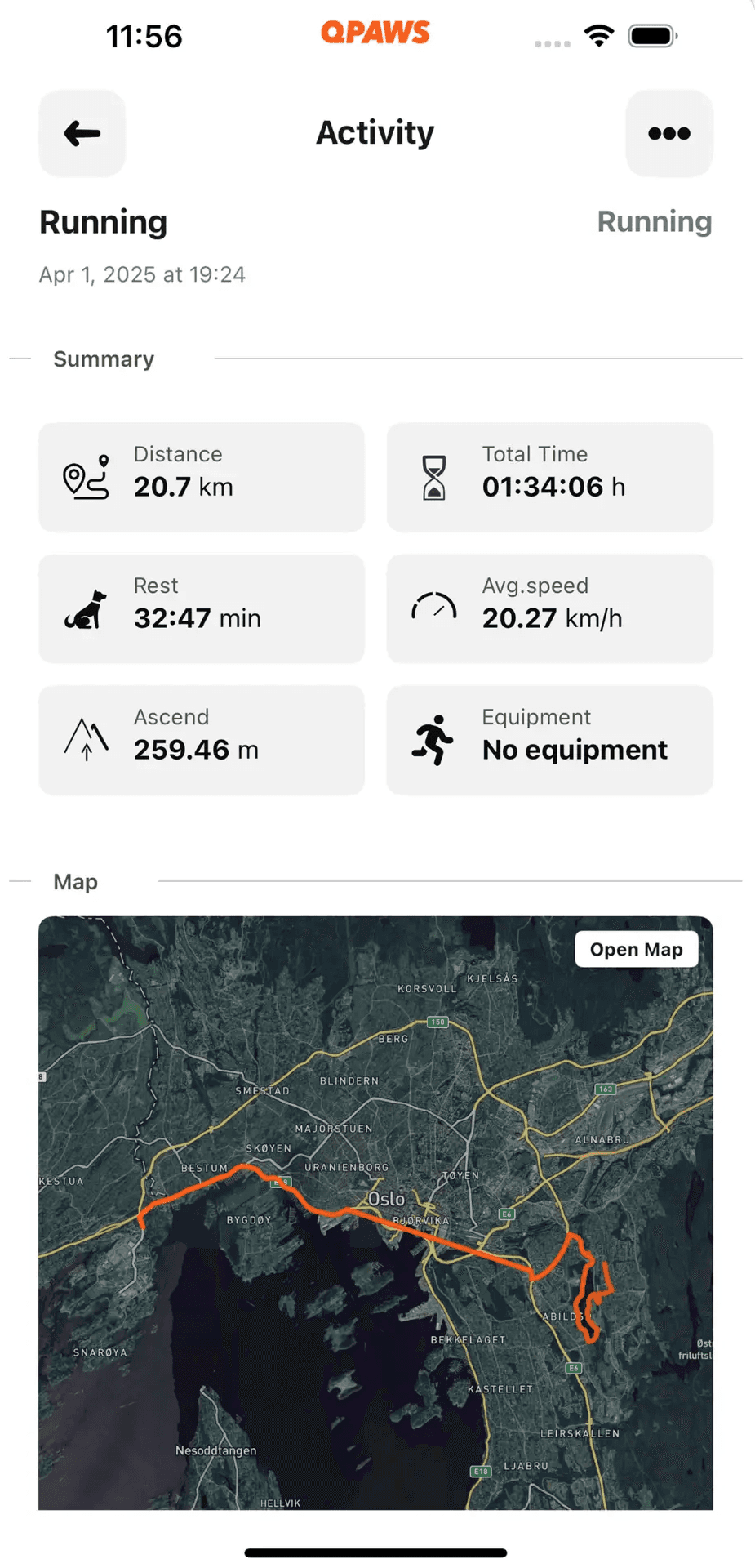
Qpaws gives you:
distance,
pace,
elevation changes.
This helps you understand when your dog is working harder than normal due to snow or ice.
Track Performance Trends
Sudden drops in pace or irregular pulling can indicate paw discomfort early – long before visible signs appear.
Consistent Recovery Monitoring
Using Qpaws’ dog logs, you can record:
paw condition,
snowballing events,
frostbite sensitivity,
bootie tolerance,
healing progress.
This is particularly helpful for owners managing multiple dogs – especially for dog mushers.
Supporting Healthy, Long-Term Activity
Every dog has different needs, and Qpaws helps you personalise training and recovery routines based on real performance data.
Learn more about how much exercise a dog needs across seasons.
Final Thoughts
Proper paw care is one of the most important responsibilities for any winter dog owner — whether you are skijoring on frozen lakes, mushing through deep snow or simply enjoying frosty morning walks. By understanding how cold affects paw physiology, preventing common winter injuries, and tracking your dog’s workload with Qpaws, you can keep your dog safe, strong and confident all winter long.
____
Thanks to Matiu Crusener-Mattei from 🇫🇷 France for providing the photos!
→ https://www.facebook.com/otxoateam/
→ https://www.instagram.com/otxoa_team/