





Dog Agility Training for Beginners: Build Confidence & Coordination
25. nov. 2025
Dog agility isn't just about jumping over obstacles – it's a comprehensive training methodology that strengthens the bond between handler or owner and dog while delivering profound physical and mental benefits. Whether you have a high-energy breed or a dog seeking enrichment beyond daily walks, agility training offers structured engagement that combats boredom, builds confidence, and transforms your dog into a balanced, focused companion.
The stakes are real: dogs need both mental and physical stimulation to thrive. Agility provides both channeling energy productively and sharpening cognitive abilities. But success depends on understanding foundational principles and tracking what actually works. In this article, I'll walk you through safe, systematic agility training and explain why logging your progress transforms consistency into measurable improvement.
Why Agility Matters: Foundation & Safety
Agility training delivers more than entertainment. The sport enhances cardiovascular fitness, builds muscle strength, and improves flexibility and balance. Equally important, it provides the mental stimulation that prevents destructive behaviors, reduces stress, and keeps your dog engaged in purposeful work. For handlers, agility creates shared goals – you're not just exercising your dog, you're building a partnership.
Before introducing obstacles, consult your veterinarian. Not all dogs are suited for agility. Breeds prone to breathing issues (like pugs) or dogs with underlying joint concerns need modified approaches. Young puppies should focus on foundation training to protect joint health; aggressive agility should wait until skeletal maturity.
Safety is the non-negotiable baseline. This means proper warm-ups (a short walk and gentle stretching before training) and cool-downs afterward to reduce stiffness and prepare muscles for the work ahead. Equipment must be sturdy and positioned on soft surfaces (grass, dirt, or indoor flooring), never concrete or asphalt, which increases injury risk. Proper supervision during all sessions ensures you can support your dog if they become unsteady on elevated obstacles.
Setting Up Your Training Space: Start Low, Progress Gradually
Most beginners make a critical error: they begin with advanced obstacles. Instead, start with a safe, flat training area free from distractions. Your space should feel inviting, not overwhelming.
Begin with low, simple obstacles. Standard competition heights are not your starting point. Low jumps (15-30 cm / 6-12 inches), a flat ground tunnel, or basic weave poles (set wide apart initially) allow your dog to build confidence without fear. Spacing matters: obstacles should have some space between them to prevent overcrowding and allow your dog time to process transitions.
As your dog demonstrates consistent success, increase height or complexity incrementally. This graduated progression prevents injury and maintains motivation. Too fast advancement causes frustration; too slow progression breeds boredom. The answer lies in tracking what your dog accomplishes each session – noting jump heights, obstacle configurations, and performance quality. This data reveals patterns about your dog's readiness to progress, preventing both rushed advancement and unnecessary delays.
This is where systematic logging becomes invaluable. Recording session details (heights attempted, obstacles mastered, time spent on each exercise) means you'll know exactly what worked three weeks ago. You won't rely on fuzzy memory or guesswork about progression rates.
Training Fundamentals: Commands, Footwork & Reward Systems
Agility requires foundational obedience. Before tackling obstacles, ensure your dog masters sit, stay, come, and other basic commands. These aren't optional; they're safety infrastructure. A dog that ignores "stay" at the start line creates liability and potential injury.
Once baselines are solid, teach obstacle-specific cues: "jump" for hurdles, "tunnel" for enclosed passages, "weave" for pole sequences, and "go out" to redirect your dog toward obstacles at a distance. Consistency in cuing (the same word, tone, and body position) is critical. Dogs thrive on predictability; inconsistency erodes their confidence.
Reward systems make or break training. Dogs do what works. If your dog attempts to follow direction but receives few rewards, they lose interest, show signs of stress, or simply walk away. Maintain high reward rates and ensure clear criteria: your dog knows exactly what behavior earns a reward.
Avoid correcting mistakes by backing up or redirecting repeatedly. This breaks flow and erodes trust in your cues, causing dogs to slow down and "double-check" every instruction. Instead, find graceful ways to recover – moving forward and rewarding effort when your dog succeeds at subsequent obstacles.
Building Your Dog's Confidence Step-by-Step
Confidence grows from small, repeated successes. Each time your dog navigates an obstacle without fear, their self-assurance deepens and extends to other areas of life. This transformation doesn't happen by accident – it requires deliberate progression.
Start with obstacles your dog can succeed at reliably (8-9 out of 10 attempts). Once mastery is evident, introduce one minor change: slightly higher jump, wider spacing, or a new approach angle. This keeps challenges manageable while driving continuous improvement.
Recognize signs of confidence erosion: hesitation at obstacles, refusal to engage, or reluctance to enter training sessions. When these appear, reduce difficulty temporarily. Agility must remain fun, never a source of anxiety.
One powerful tool for maintaining perspective is tracking confidence indicators over time. Recording not just physical data – heights cleared, speeds achieved – but also behavioral markers (hesitation, enthusiasm, focus level) reveals whether your dog's mindset is improving alongside their skill level. When you see confidence steadily increasing across weeks and months, it becomes a motivator for both dog and handler.
Tracking Progress Over Time: The Data Advantage
Here's the uncomfortable truth: humans forget. Without recording session details, handlers underestimate their dog's progress, repeat exercises that have already been mastered (which leads to boredom and self-doubt), or push advancement too quickly because they can't accurately recall what was accomplished last month.
Systematic progress logging solves this. By tracking session date, obstacles attempted, heights used, performance quality, and your dog's enthusiasm level, you create a factual record that reveals patterns:
Which obstacle types does your dog master quickly?
At what pace does safe progression happen?
Does your dog perform better in morning or evening sessions?
How many training days per week maximize improvement without triggering fatigue?
What environmental factors (weather, noise, new locations) affect performance?
This data transforms training from guesswork into deliberate practice. You celebrate legitimate progress (which sustains motivation) and spot readiness for advancement (preventing unnecessary plateaus). You also recognize when your dog needs recovery time – critical for injury prevention.
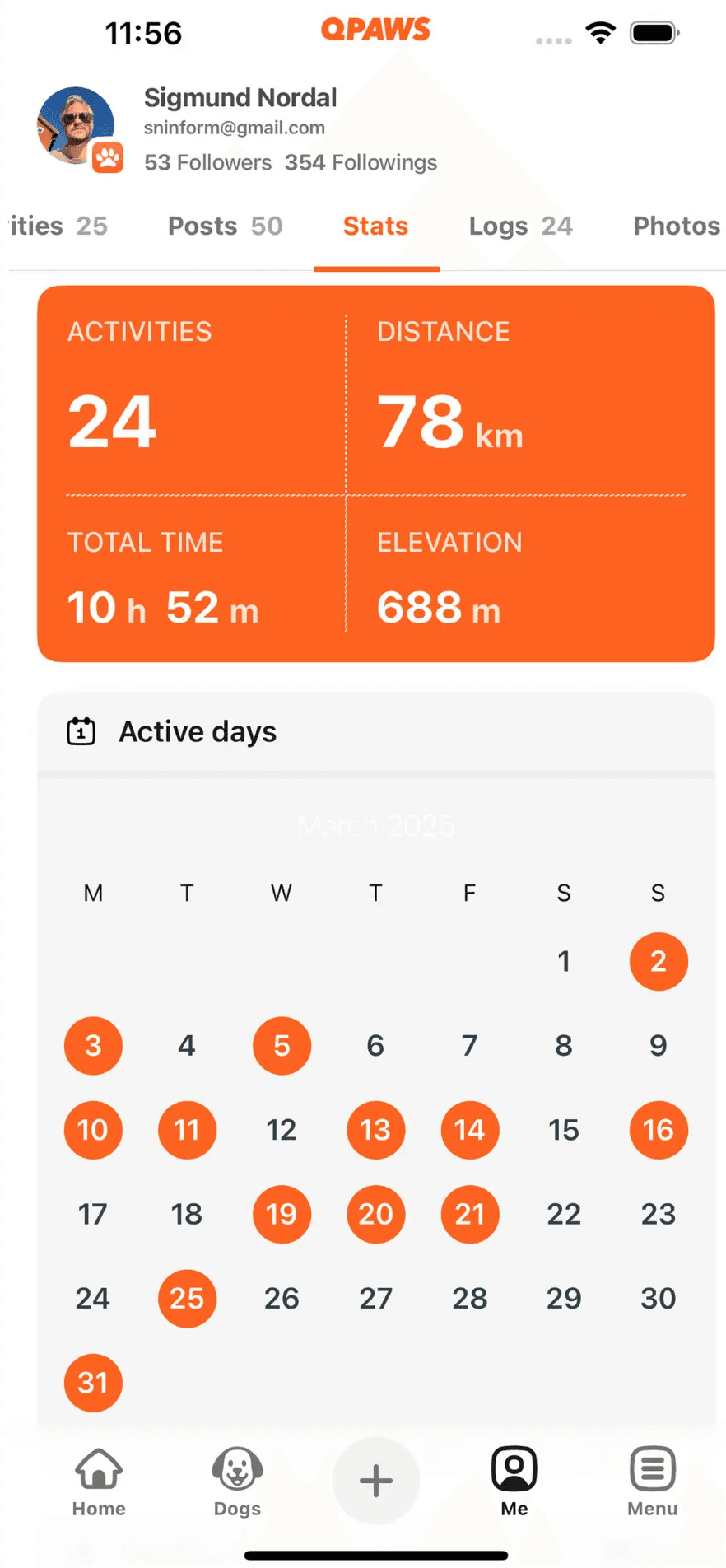
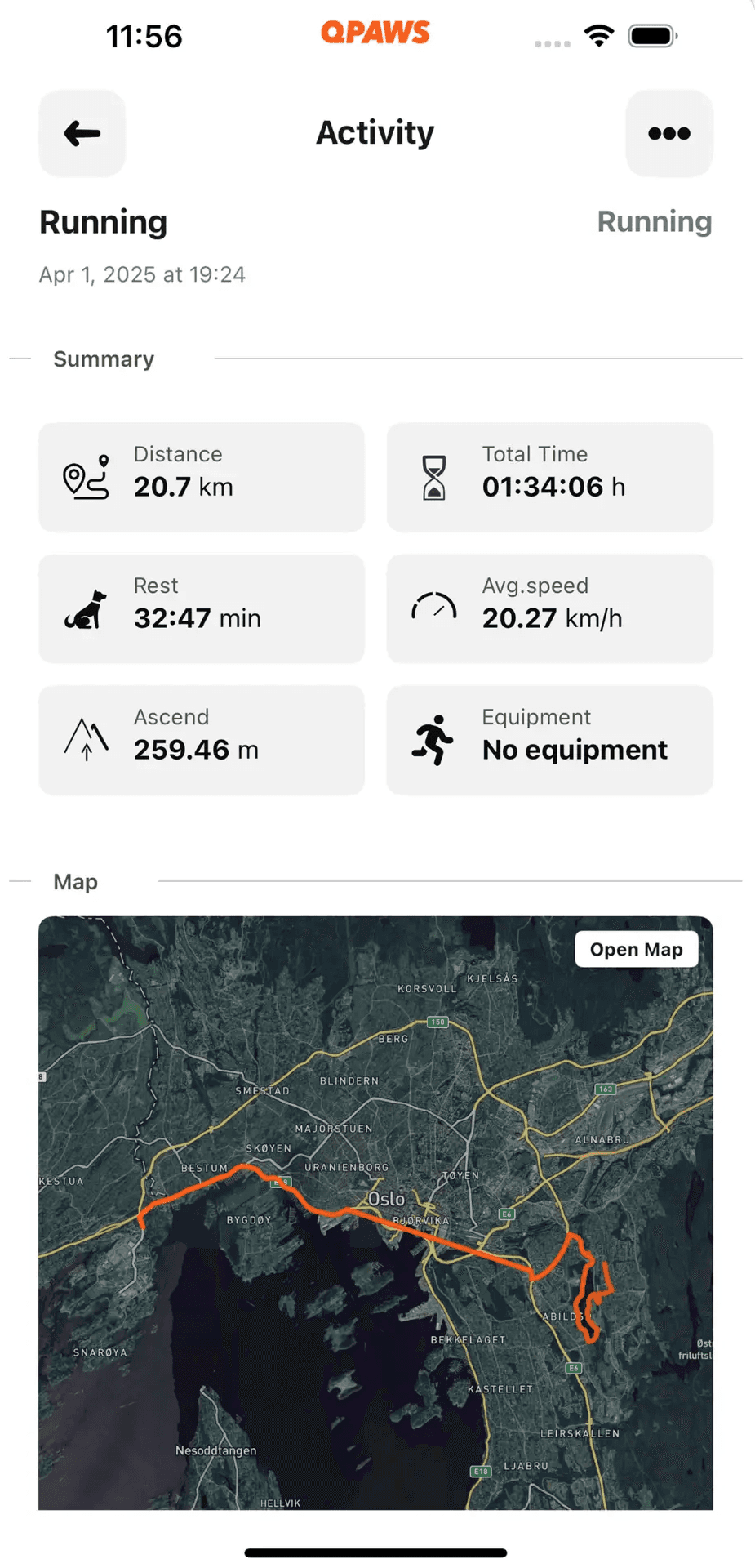
When you integrate this data with your dog's activity tracking through tools like Qpaws – which syncs with Strava and Garmin devices – you gain comprehensive insight into how agility sessions fit into your dog's overall fitness and recovery patterns. This prevents overtraining, a silent killer of progress characterized by restlessness, avoidance of commands and decreased enthusiasm.
Common Mistakes & How to Avoid Them
Pushing Too Hard, Too Fast
Keep training sessions to 15-20 minutes maximum, ideally twice daily. If you push dogs beyond this, fatigue, distraction, and frustration follow – along with injury risk. The whole point is preserving enjoyment and sustainable progress.
Skipping Foundation Work
Tempting as it is to jump straight to weaves and tunnels, foundational obedience is non-negotiable. Dogs without solid sit/stay/come commands struggle on start lines and pause tables, derailing entire training systems.
Ignoring Recovery and Rest Days
High-intensity agility demands recovery. Just as endurance athletes benefit from structured rest periods, dogs need adequate recovery time between intense sessions to rebuild muscle and process learned skills. This is where activity tracking provides genuine value: you see actual data about your dog's exertion and can schedule rest accordingly instead of guessing.
Drilling Mastered Skills Endlessly
Repeating the same sequence ad nauseam doesn't build performance – it erodes confidence. Once your dog succeeds twice consistently, change something: approach angle, distance, or obstacle height. This continuous variation drives skill development and prevents boredom.
Inconsistent Rewards and Unclear Criteria
If your dog sometimes gets rewarded for behavior X but sometimes doesn't, they become confused and hesitant. Establish concrete criteria and reward consistently. This clarity accelerates learning and maintains motivation.
Building Community & Staying Motivated
Agility training is easier when you're part of a community. Whether through local clubs, online forums, or training groups, shared accountability and peer support sustain long-term commitment. Other trainers celebrate your progress, offer troubleshooting advice, and normalize the plateaus that inevitably occur.
Community also provides perspective. Seeing other dogs' journeys (including their setbacks) reminds you that slow, consistent progress (not perfection) is the actual goal. This mindset shift prevents the discouragement that derails many beginners.
Platforms like Qpaws connect you with data-driven dog owners who share similar commitments to consistent exercise and health optimization. Sharing progress data, celebrating milestones, and learning from others' training patterns creates accountability and inspiration.
The Role of Data-Driven Training
The difference between training and effective training is measurement. Effective trainers don't rely on memory or gut feeling. They review session logs, identify patterns, and adjust systematically.
Your dog's activity data (duration, intensity, frequency of training) integrates with health metrics to reveal the real story. Is your dog accumulating adequate overall activity? Are agility sessions increasing fitness without creating fatigue? Is rest distributed appropriately?
When training data connects to activity tracking, you move from anecdotal ("my dog seems good") to evidence-based ("my dog's heart rate recovery improved 12% over eight weeks, and confidence indicators show consistent gain"). This evidence sustains motivation and justifies the time investment in structured training.
Getting Started: Your First Steps
Consult your vet about readiness for agility
Set up a safe space with low, simple obstacles
Establish basic obedience: sit, stay, come
Keep initial sessions short: 15-20 minutes
Start logging immediately: record what you do each session and how your dog responds
Connect your dog's activity tracker to gain insight into cumulative exercise patterns
Progress gradually: change one variable at a time
Celebrate small wins: confidence builds through repeated success
Dog agility training transforms both dog and handler. It channels energy productively, sharpens focus, and builds a partnership grounded in trust and communication. But transformation requires consistency, and consistency requires tracking what you're doing and how your dog responds. By combining deliberate practice with systematic data logging, you move from hoping for progress to actually measuring it.
The best version of agility training isn't complicated. It's simply thoughtful, gradual, and documented. That documentation – kept easily in Qpaws alongside your dog's broader activity and health data – becomes the framework that turns training sessions into genuine, lasting improvement.
____
Thanks to Wiktoria King from 🇵🇱 Poland for providing the photos!
→ https://www.instagram.com/edvvena/