





Most canine athletes don’t break down because they train too hard. They break down because they train too narrowly.
Running the same routes, pulling the same loads, jumping the same obstacles, week after week, places very specific demands on a dog’s body. Over time, those repeated movement patterns overload the same joints, tendons, and muscle chains. Even well-conditioned dogs with excellent genetics are vulnerable if their training lacks variation.
Cross-training solves this problem by design. By intentionally combining activities such as swimming, hiking, and alternative sports, handlers can build stronger, more resilient dogs while reducing injury risk and preserving long-term motivation.
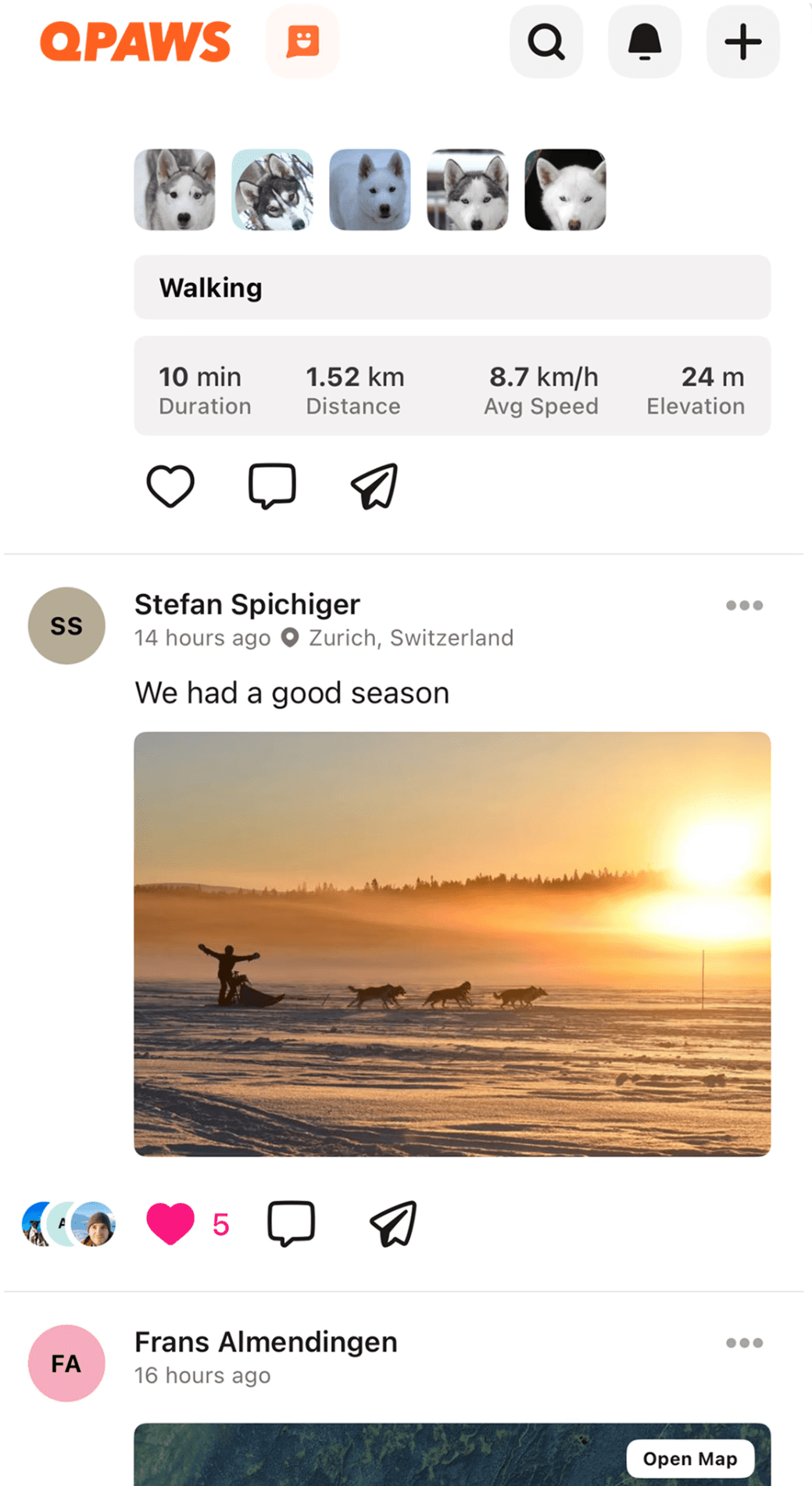
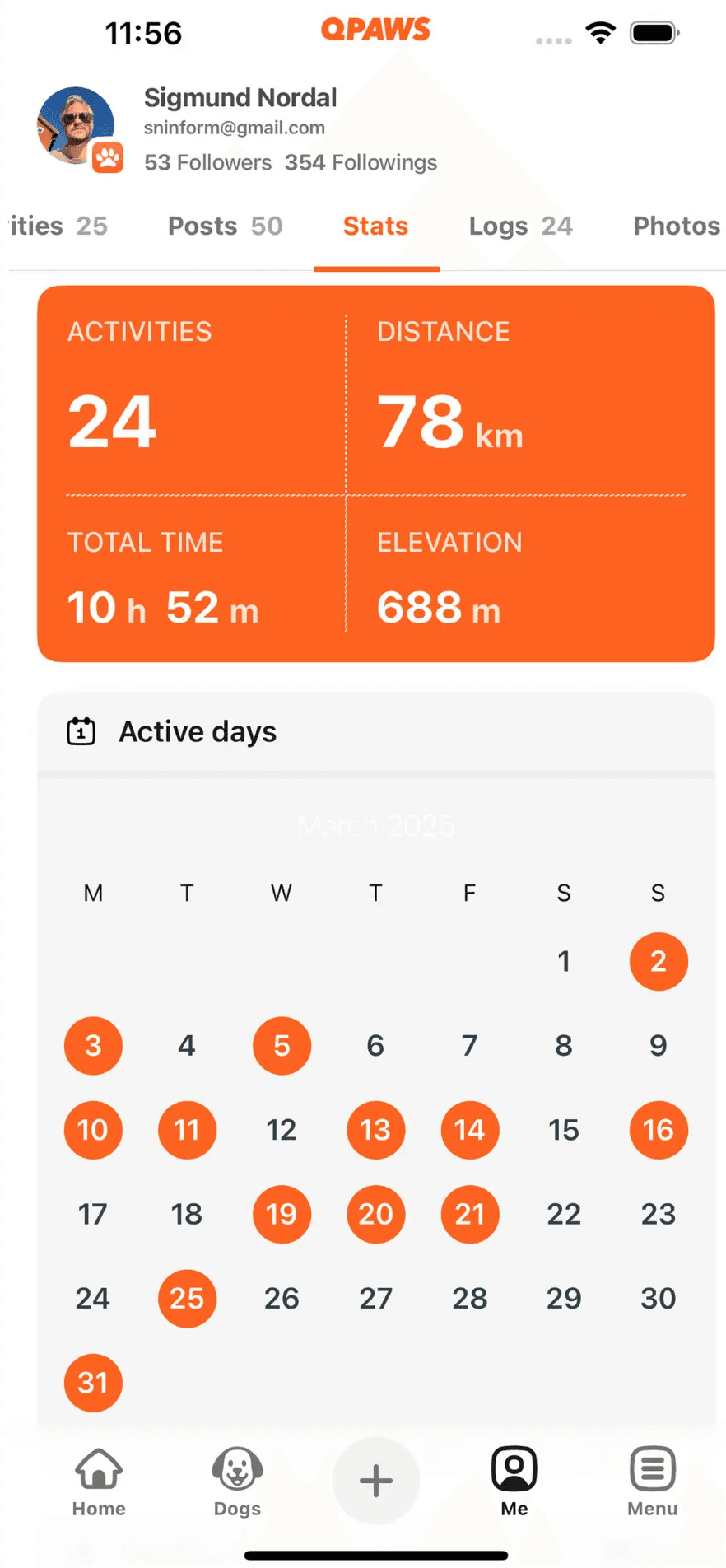
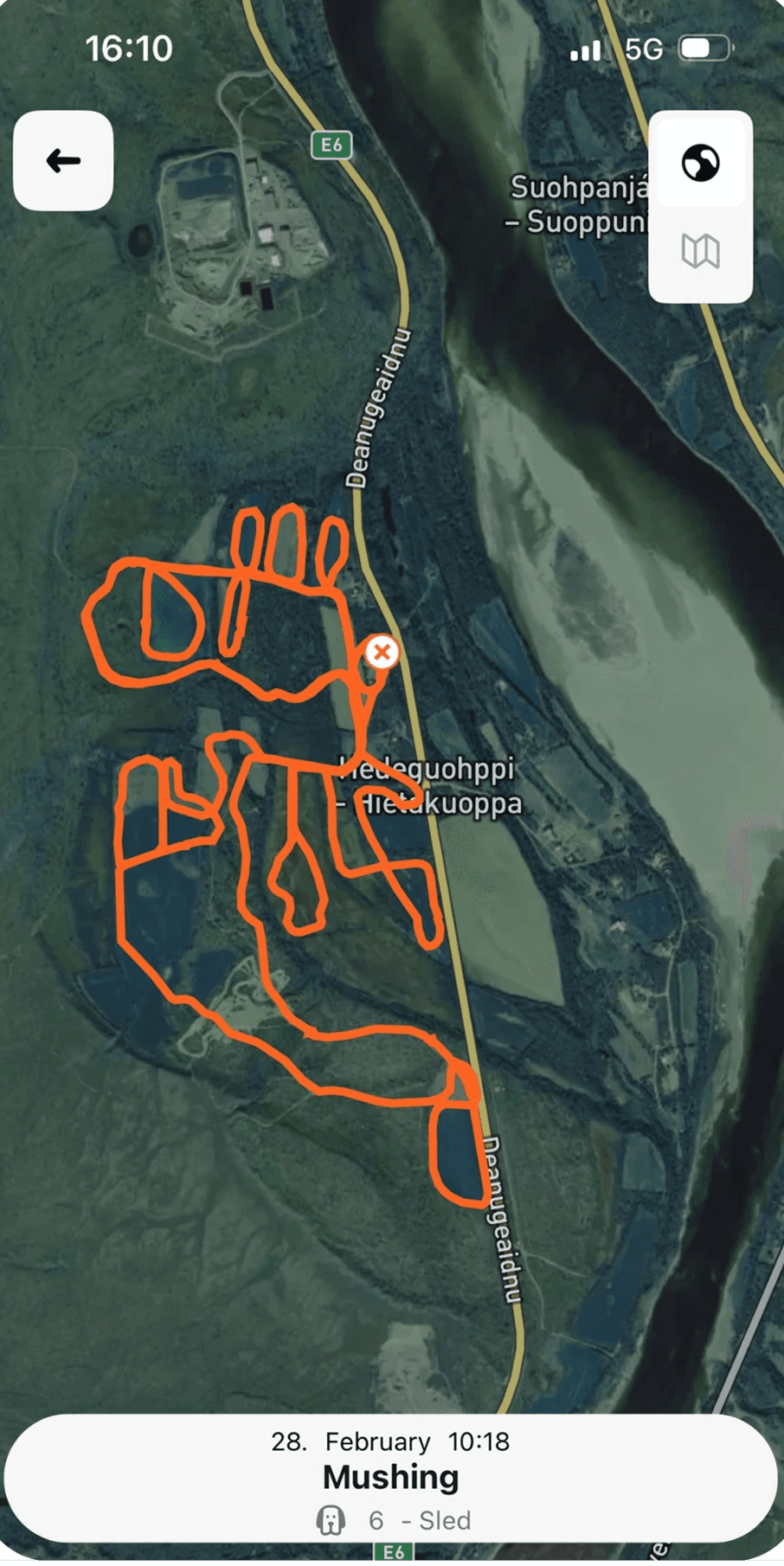
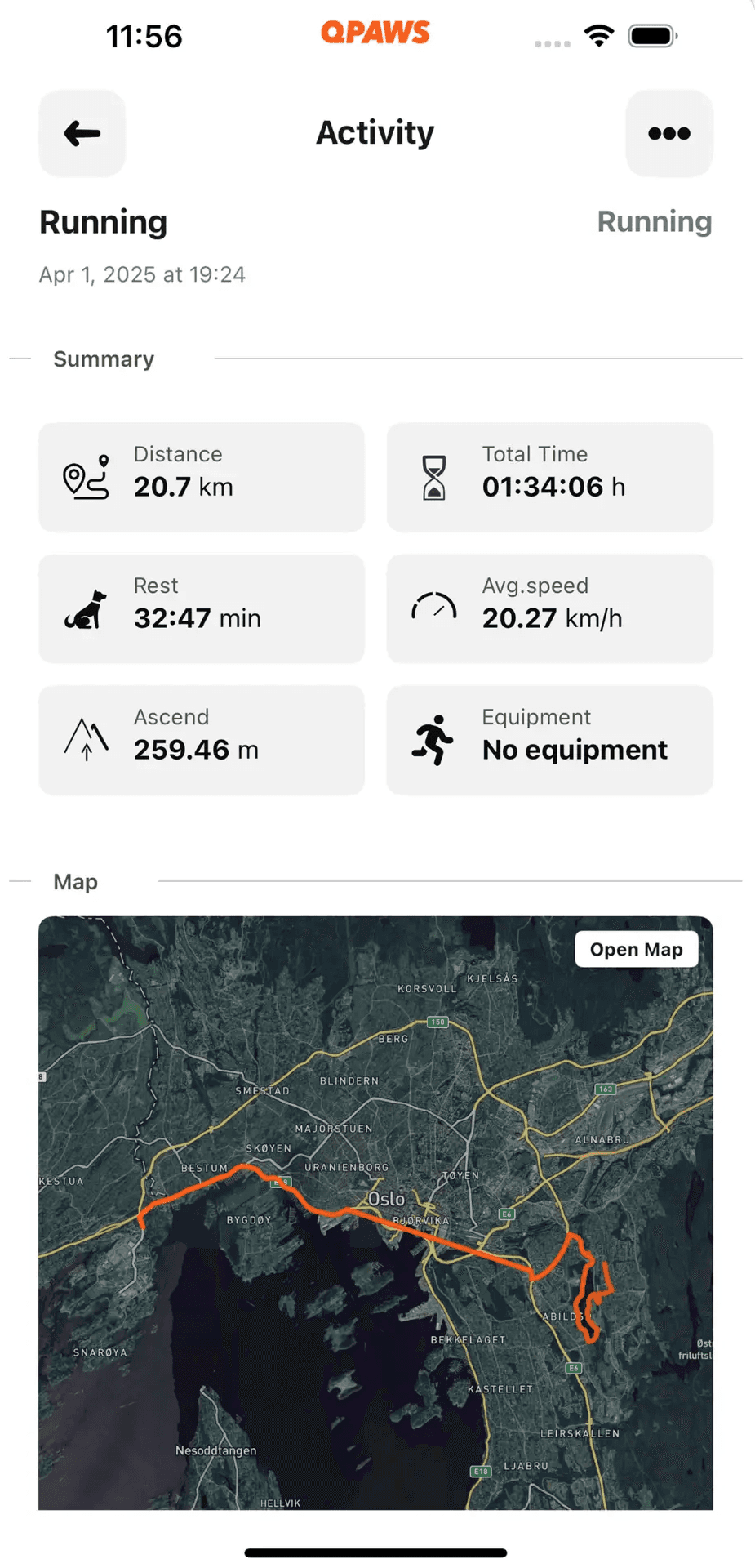
For both competitive handlers and everyday athletes, cross-training is not a “nice extra.” It is a foundational strategy for sustainable canine performance – and one that becomes far easier to manage when training load and recovery are tracked consistently, as many teams already do using Qpaws.
Why Cross-Training Matters in Canine Sports
Every dog sport emphasizes a limited set of movement patterns. Canicross and mushing are dominated by linear propulsion. Agility relies heavily on explosive acceleration, deceleration, and jumping. Flyball combines sprinting with abrupt turns. Dock diving adds repeated high-impact takeoffs and landings.
The problem is not the sport itself – it is exclusive specialization.
When dogs perform the same motor patterns repeatedly:
certain muscles become overdeveloped while others lag behind;
stabilizing muscles receive insufficient load;
joint stress accumulates in predictable areas;
small compensations turn into chronic issues
Cross-training introduces movement diversity, redistributing load across the musculoskeletal system and improving overall coordination. For handlers working with structured programs – particularly those aligned with the needs of Hard‑Core Dog Mushers – this approach supports long seasons, multi-dog teams, and demanding training cycles.
Just as importantly, cross-training protects the dog mentally. New tasks, environments, and challenges prevent burnout and maintain curiosity, engagement, and confidence.
Injury Prevention Through Variety, Not Rest Alone
Rest is essential, but rest alone does not fix imbalances created by repetitive work.
True injury prevention comes from:
distributing mechanical load across tissues;
strengthening stabilizers that protect joints;
improving proprioception and movement awareness;
allowing stressed tissues to recover while others work.
Cross-training enables active recovery, where one system rests while another is stimulated. This is why well-designed programs don’t simply alternate “hard days” and “easy days,” but instead rotate types of stress.
For active dog owners focused on longevity and everyday performance – the core philosophy behind Active Owners – cross-training is often the difference between a dog who stays sound for years and one who develops recurring “mystery” soreness.
Swimming for Dogs: Low-Impact, High-Value Conditioning
Swimming is one of the most powerful cross-training tools available to canine athletes – and one of the most misunderstood.
Because it looks effortless, handlers often underestimate how demanding swimming actually is. In reality, swimming places a high cardiovascular and muscular load on the dog while removing almost all impact stress from joints.
What swimming develops
Swimming engages:
the entire posterior chain without ground impact;
core stabilizers responsible for spinal control;
shoulder and hip musculature through controlled range of motion;
cardiovascular endurance without concussive forces.
For dogs in running, pulling, or jumping sports, this makes swimming ideal for both conditioning and recovery.
How to introduce swimming safely
Swimming should be introduced gradually and deliberately:
Start with short bouts (30–60 seconds)
Prioritize calm, controlled strokes over frantic paddling
Use a canine life jacket for safety and confidence
Choose controlled environments when possible
Long, continuous swims too early are a common mistake. Fatigue in water compromises form quickly, and poor form in swimming can strain shoulders just as easily as poor running mechanics strain joints.
When logged alongside land-based training, swimming sessions help handlers visualize total workload and recovery trends across the week – a core principle behind Qpaws’ multi-activity tracking approach.
Hiking with Athletic Dogs: Strength, Stability, and Awareness
Hiking is often dismissed as “just walking,” but for canine athletes it offers unique neuromuscular benefits that structured sport training cannot replicate.
Uneven terrain forces constant micro-adjustments. Every step engages stabilizing muscles, challenges balance, and improves proprioception – the dog’s ability to sense and control body position.
Why hiking is such an effective cross-training tool
Hiking develops:
joint stability through varied foot placement;
ligament and tendon resilience;
core engagement on slopes and uneven surfaces;
aerobic endurance at controlled intensities.
Unlike repetitive flat running, hiking exposes the dog to unpredictability, which is exactly what strengthens movement quality.
How to structure hiking as training
To maximize benefit:
Choose trails with natural variation (roots, rocks, mild elevation)
Keep pace moderate and steady
Progress duration before adding speed or load
Avoid excessive downhill early in adaptation
Hiking fits particularly well into transition phases, early season conditioning, and recovery blocks. It is also one of the most sustainable ways for multi-dog households to keep dogs moving together while respecting individual fitness levels.
Alternative Sports That Build a More Complete Athlete
Not all cross-training needs to be endurance-based. Short, targeted activities can dramatically improve coordination, strength balance, and mental engagement.
High-impact alternatives without high impact
Cavaletti and ground poles
These improve stride symmetry, joint flexion awareness, and coordination at low speeds. They are particularly valuable for agility and sprint dogs.
Balance and stability exercises
Using balance discs, wobble boards, or unstable surfaces strengthens deep stabilizers that protect joints during explosive movement.
Nose work and scent games
Mental fatigue without physical load makes nose work ideal on rest or recovery days. It also reduces stress and supports focus in high-drive dogs.
Controlled treadmill work
When used under guidance, treadmills allow precise control of speed and duration. However, poor setup or posture can reinforce faulty movement, so professional oversight is critical.
These tools are especially effective during periods when weather, terrain, or injury limits normal training options.
Building a Cross-Training Program That Actually Works
Cross-training is not about adding more sessions. It’s about redistributing stress intelligently.
A well-balanced week for an active sport dog might include:
two to three primary sport sessions;
one swimming session for conditioning or recovery;
one hiking session focused on terrain variation;
one alternative skills session (balance, cavaletti, nose work);
one full rest day.
The exact balance depends on the dog’s sport, age, and training phase. Importantly, introducing a new activity should be accompanied by a temporary reduction in primary sport volume.
Tracking all activities together (rather than in isolation) allows handlers to spot fatigue patterns early and adjust before small issues escalate.
Safety, Age and Breed Considerations
Cross-training should reduce injury risk, not introduce new problems.
General safety principles
Always include warm-up and cool-down phases
Monitor changes in gait, enthusiasm, and recovery time
Adjust intensity seasonally (heat, cold, snow, footing)
Seasonal shifts significantly affect how dogs respond to load. Heat increases cardiovascular strain, while cold and snow change traction and joint stress. For deeper guidance on adapting activity choices across the year, see Qpaws’ article Hot Weather, Cold Trails: Adapting Your Dog’s Training Across Seasons.
Puppies and seniors
Puppies benefit most from coordination, balance, and short varied walks rather than endurance work. Seniors often thrive with swimming, gentle hiking, and mental challenges that maintain engagement without excessive strain.
Breed-specific notes
Large, heavy breeds often gain exceptional benefit from swimming. Long-backed dogs require strong core stability. Brachycephalic dogs need strict monitoring in water and heat.
Signs Your Dog Needs More Variety
Handlers often sense when something is “off” before an injury appears. Common signals include:
declining performance despite consistent training,
stiffness after routine sessions,
loss of enthusiasm for familiar workouts,
recurrent minor strains or soreness.
In many cases, the solution isn’t less training – it’s different training.
Cross-Training as a Long-Term Performance Strategy
Elite canine performance is not built on intensity alone. It is built on resilience, adaptability, and intelligent load management.
Cross-training:
extends athletic careers,
improves consistency across seasons,
protects joints, muscles, and motivation,
strengthens the human–dog partnership.
Whether your goal is competition success or simply a strong, capable dog for years to come, variety is not optional. It is the foundation of sustainable canine fitness.
Next step: Review your dog’s current training week. Identify one area where repetition can be replaced with smarter variety, introduce it gradually, and track how your dog responds over time.
Related articles:

![Dog Endurance Training: Build Stamina Safely [Guide]](https://framerusercontent.com/images/7Y2HphZSTrLGkXRZ9TrZXx7u30.png?width=2240&height=1260)