





A Border Collie hesitates for half a second before the weave poles. A Malinois breaks focus at the start line. A dock-diving dog launches strongly but misjudges the timing. These moments aren’t caused by weak muscles or poor conditioning. They’re mental lapses.
In modern dog sports, physical fitness alone leaves performance potential untapped. Endurance, speed, and strength matter, but without cognitive readiness, performance cracks under pressure. Mental fitness for dogs is not a “nice-to-have.” It is a trainable, measurable pillar of canine athletic performance.
This guide explains why mental training matters, how canine cognition behaves under competition stress, and how to integrate cognitive training for dogs into real-world training schedules – without adding chaos or time overload.
Why Mental Fitness Matters in Canine Athletes (A Human Parallel)
Elite human athletes don’t train muscles alone. They train focus, stress regulation, and decision-making under fatigue. Visualization, reaction drills, and cognitive load are standard. Canine athletes face the same demands:
execute learned behaviors in novel environments,
filter distractions (noise, smells, movement),
recover focus after mistakes,
make fast, accurate decisions under arousal.
Physical conditioning raises the ceiling. Mental fitness determines whether dogs reach it.
When cognitive systems are undertrained, performance degrades. Even in well-conditioned competitors.
The Science: Canine Cognition Under Stress and Competition
Mental fitness for dogs is rooted in how the canine brain processes information under load.
Key cognitive systems involved in sport
Attention & focus – sustaining task engagement despite distractions
Impulse control – inhibiting premature actions (false starts, off-cues)
Working memory – holding task sequences in mind
Emotional regulation – managing arousal, frustration, or pressure
Under competition stress, cortisol rises and sympathetic nervous system activation increases. Without training, this narrows attention and reduces behavioral flexibility.
Research in canine cognition shows that dogs trained to work under variable cognitive demand maintain accuracy longer and recover faster after errors – a decisive advantage in agility, obedience, dock diving, and working trials.
The Hidden Cognitive Challenges of Competitive Settings
Competition environments stack mental stressors that don’t exist in daily training:
unfamiliar surfaces, smells, acoustics;
handler tension transmitted through micro-signals;
waiting periods that spike arousal;
one-shot performance with no warm-up retries.
Dogs with strong physical conditioning but weak cognitive resilience often show:
rushed execution,
loss of cue discrimination,
Stress-related displacement behaviors,
Inconsistent performance across runs.
This is where cognitive training for dogs closes the gap.
Practical Cognitive Training Exercises for Canine Athletes
Below are seven practical dog brain games and focus drills, organized by cognitive skill. Each requires minimal equipment and scales from beginner to elite competitors.
1. Focus Under Distraction (Sustained Attention)
Goal: Maintain task engagement despite environmental noise or movement.
Exercise: “Station Hold with Interference”
Ask for a station behavior (sit, down, stand, platform).
Introduce mild distractions: dropped object, handler movement, background noise.
Reward calm, sustained focus (not tension).
Progression: Increase duration, change environments, add unpredictable stimuli.
Sport impact: Cleaner start lines, steadier contacts, reduced handler dependency.
2. Impulse Control (Response Inhibition)
Goal: Prevent premature or incorrect responses.
Exercise: “Delayed Release Variations”
Cue a known behavior.
Delay the release cue unpredictably (2–10 seconds).
Reward stillness and emotional neutrality.
Progression: Vary posture, handler position, or introduce movement cues nearby.
Sport impact: Fewer false starts, cleaner obedience routines, controlled launches.
3. Decision-Making Speed (Cognitive Flexibility)
Goal: Improve fast, accurate choice selection.
Exercise: “Choice Board”
Present two targets or obstacles.
Cue selection verbally or visually.
Reward correct choices only.
Progression: Increase speed, add false cues, change spatial layout.
Sport impact: Faster course reading, cleaner lines, improved recovery after errors.
4. Working Memory (Sequence Retention)
Goal: Hold and execute multi-step tasks without constant prompting.
Exercise: “Pattern Chains”
Teach a 2-step sequence (e.g., target → jump).
Gradually add steps.
Reduce handler motion and verbal support.
Progression: Change order, environment, or cue style.
Sport impact: Stronger independence, smoother agility and obedience sequences.
5. Emotional Regulation (Arousal Control)
Goal: Shift between high energy and calm states on cue.
Exercise: “Switch Drill”
Trigger excitement (toy play, fast movement).
Immediately cue a calm behavior (down, chin rest).
Reward rapid emotional downshift.
Progression: Shorten recovery time, increase arousal intensity.
Sport impact: Faster reset after mistakes, improved between-run behavior.
6. Frustration Tolerance (Persistence Without Stress)
Goal: Maintain task engagement when success is delayed.
Exercise: “Variable Reward Puzzle”
Present a solvable task with changing difficulty.
Delay reward access slightly.
Reinforce calm persistence (not frantic behavior).
Sport impact: Reduced stress behaviors, steadier problem-solving under pressure.
7. Environmental Adaptability (Context Switching)
Goal: Generalize focus across environments.
Exercise: “Same Task, New Place”
Repeat a familiar drill in a new location.
Lower criteria initially.
Gradually rebuild performance expectations.
Sport impact: Consistency across venues, surfaces, and competition settings.
Integrating Mental and Physical Training (Without Overloading)
Mental training doesn’t replace physical conditioning, but it amplifies it.
Weekly integration template
2–3 short cognitive sessions (5–10 minutes each)
Place before physical work (for priming) or after (for fatigue resilience)
Rotate cognitive focus areas weekly
Example:
monday: Focus + endurance run
wednesday: Impulse control + agility skills
friday: Decision-making + play-based conditionins
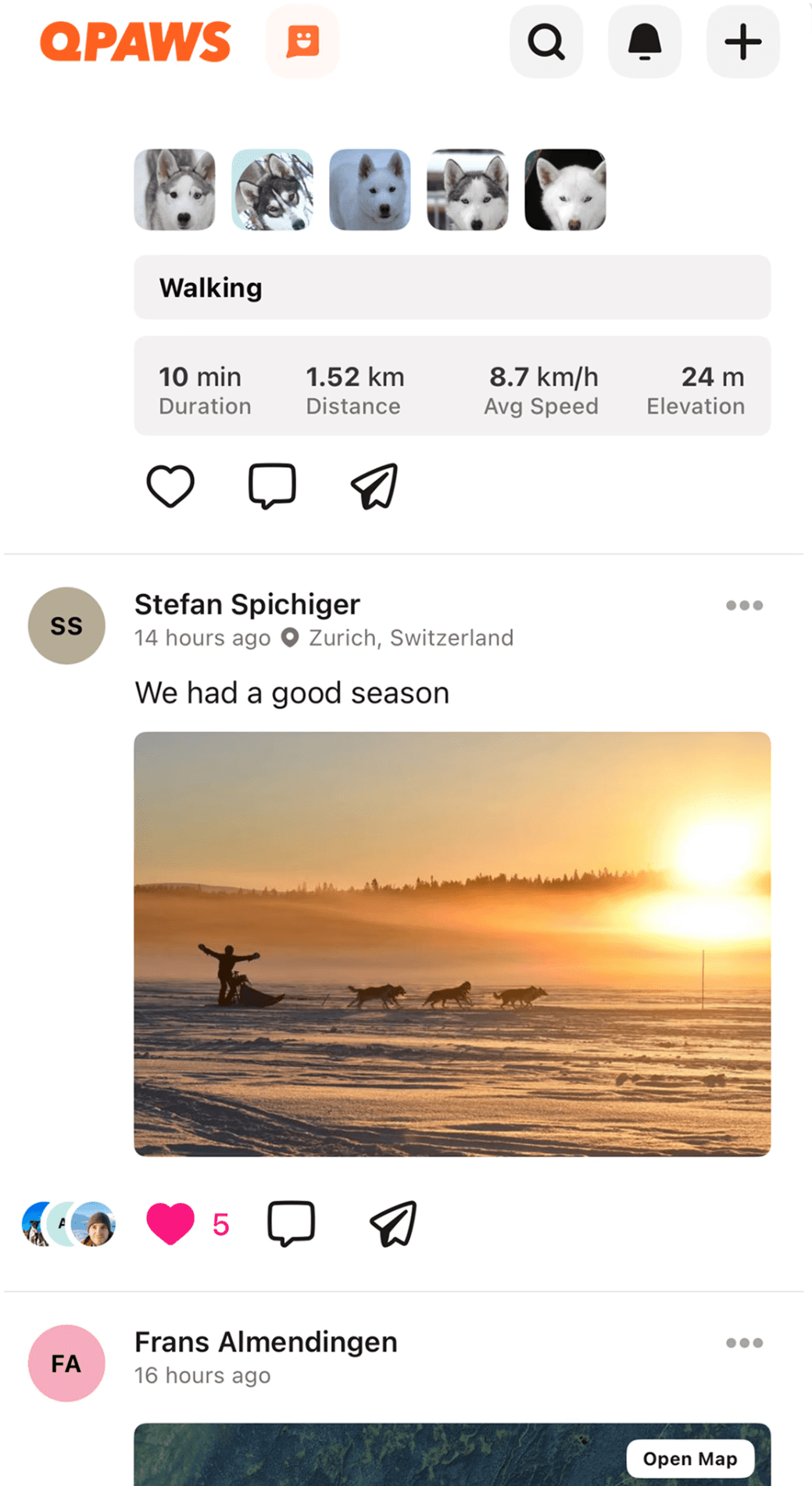
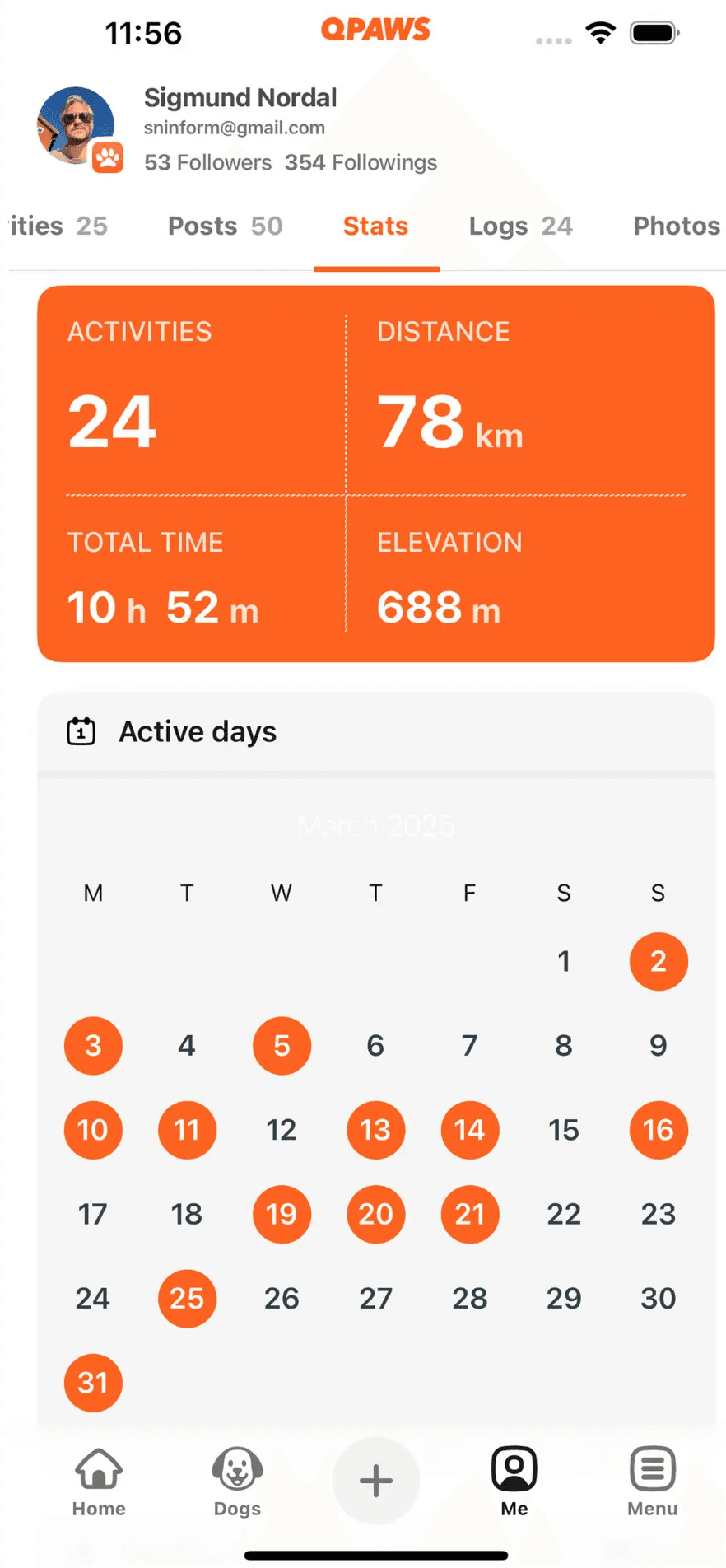
This balanced approach mirrors how elite teams structure training – something already common in structured communities like Qpaws’ dog mushers and active dog owners, where performance longevity matters as much as peak output.
Competition Applications: Where Mental Training Wins Titles
Mental fitness for dogs shows up in moments that decide rankings:
holding a start-line stay while competitors run nearby;
recovering instantly after a missed obstacle;
maintaining cue clarity despite handler nerves;
executing learned skills in unfamiliar layouts.
These are not physical problems. They are cognitive ones, and they are trainable.
Measuring Cognitive Improvement (Yes, It’s Possible)
Mental fitness is observable and measurable when tracked intentionally.
Key success markers
Faster recovery after errors
Reduced stress signals under pressure
Improved consistency across environments
Lower cue repetition from handlers
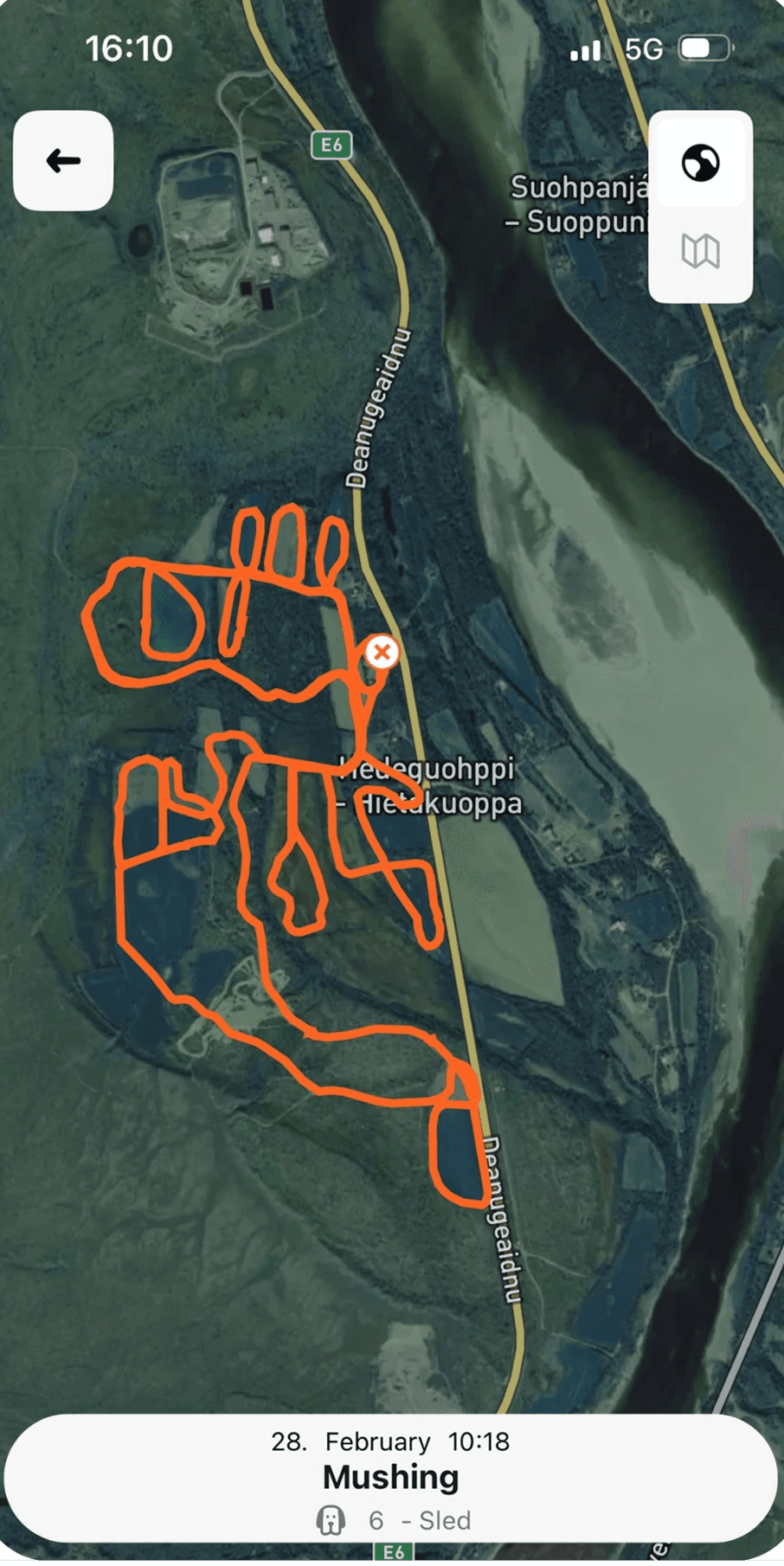
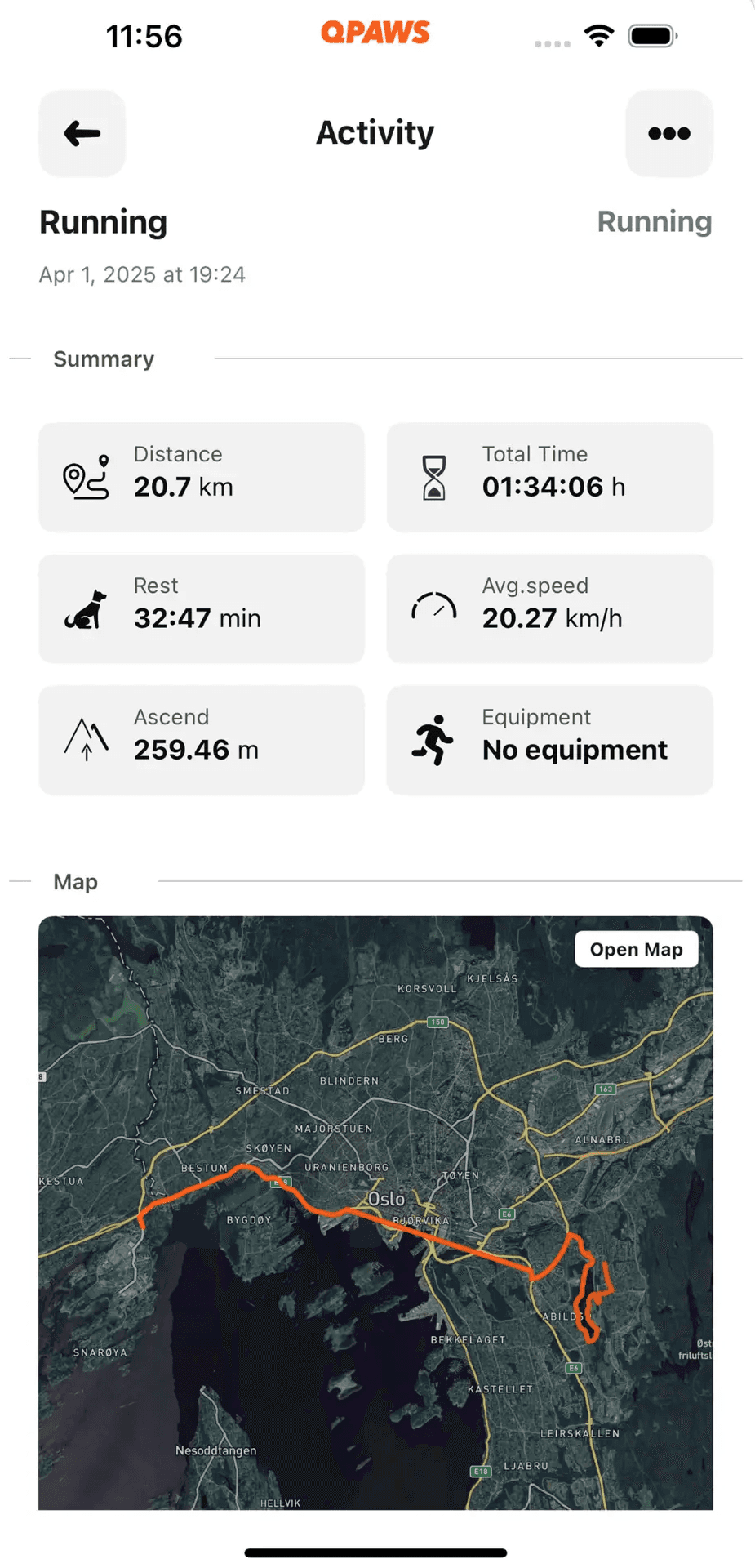
Advanced handlers increasingly track behavioral consistency alongside physical metrics, using structured logs and activity data. Platforms like Qpaws make it easier to correlate training context, performance outcomes, and behavioral trends over time by turning mental fitness into a visible performance variable.
Mental Fitness Is Not Optional – It’s the Multiplier
Physical conditioning builds the engine. Mental fitness for dogs determines how well that engine performs under race conditions.
For competitive handlers and serious active owners, cognitive training is no longer experimental or supplementary. It is a core discipline – one that unlocks reliability, resilience, and long-term performance.
Train the brain. The body will follow.
Related articles:

![Dog Endurance Training: Build Stamina Safely [Guide]](https://framerusercontent.com/images/7Y2HphZSTrLGkXRZ9TrZXx7u30.png?width=2240&height=1260)